




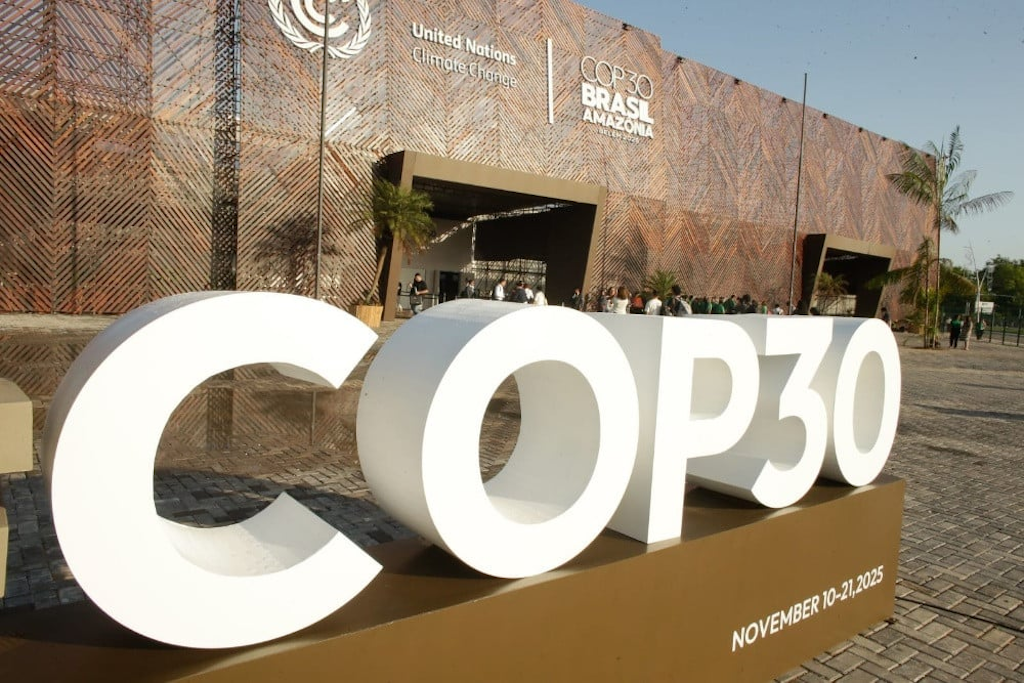
Three decades after the first global climate conference was held, the Conference of the Parties (COP) remains the world’s most important forum for climate diplomacy. COP30, taking place in Brazil, once again draws global attention as CO₂ emissions and climate change continue to rank among the most critical threats to the planet. Amid growing commitments and national targets, this conference highlights the urgency of rapid action. The event also stresses the need for coordinated and innovative mitigation efforts
This article presents key insights into 30 years of COP progress and global CO₂ emission trends. It also highlights escalating climate impacts and the urgent need for long-term energy transformation.
30 Years of COP: Progress and Effectiveness
Since the first COP meeting, the world has continuously redefined its relationship with the environment. The conference serves as a platform for evaluation, policy collaboration, and global agreements such as the Kyoto Protocol, the Paris Agreement, and the Glasgow Climate Pact. Over time, COP has become a symbol of international commitment to curbing global warming.
However, its effectiveness is still challenged by the gap between political promises (NDC targets) and implementation on the ground. While COP has produced vital climate policies and boosted momentum toward low-carbon development, progress remains slow. Independent reports show the world is not on track to limit warming to 1.5°C.
Global Trends in Rising CO₂ Emissions
Despite COP’s efforts to prioritize emission reductions, global CO₂ concentrations continue to climb to alarming levels. Carbon emissions remain high due to increased economic activity, heavy reliance on fossil fuels, and land-use change. In recent years, the world has recorded the highest levels of greenhouse gases ever measured. CO₂ concentrations now exceed safe thresholds recommended by climate scientists.
Emissions are rising across multiple sectors — energy, transportation, industry, and agriculture — pushing global warming further. To stay on track with international climate targets, emissions must decline sharply by 2030, followed by Net Zero Emissions in the mid-century.
Without a fundamental shift to renewable energy, CO₂ levels will continue to rise globally. This trend will accelerate the world toward dangerous and irreversible warming.
Intensifying Real-World Impacts of Climate Change
Climate change is no longer a theoretical scenario — its impacts are happening now. Extreme heatwaves, severe floods, prolonged droughts, rising sea levels, and ecosystem disruption are becoming increasingly common. These impacts extend beyond the environment, affecting health, economic stability, social welfare, and food security.
More frequent extreme weather events, declining agricultural productivity, and growing risks for coastal communities show how climate change is reshaping daily life. As these events intensify, economic losses and social vulnerabilities grow rapidly. COP30 stresses that climate change is not just an environmental issue — it is a human and economic crisis that must be addressed urgently.

https://www.pexels.com/photo/person-holding-world-globe-facing-mountain-346885/
Urgency of Energy Transformation and Mitigation Solutions
To address these escalating threats, COP30 highlights energy transformation as a central pillar of climate mitigation. The transition from fossil fuels to renewable energy, improvements in energy efficiency, industrial electrification, and the adoption of low-carbon technologies are crucial steps forward. Mitigation strategies such as Carbon Capture, Utilization, and Storage (CCUS), methane reduction, and circular-economy practices also play an essential role in cutting emissions.
Furthermore, the concept of climate justice is emphasized at COP30. Developed and developing nations must collaborate in technology sharing and climate financing. They also need equitable implementation strategies to ensure inclusive and fair climate mitigation efforts. The private sector is also encouraged to set clear, measurable net-zero targets aligned with global climate goals.
Conclusion
COP30 in Brazil reinforces the message that addressing CO₂ emissions and climate change is a shared global responsibility. Concrete action through energy transformation and policy alignment must be implemented without delay. Green innovation is also essential to prevent worsening global warming and increasing climate disasters.
If the momentum from COP30 is strengthened — through enhanced commitments, progressive policies, and real implementation — the world still has a chance to build a low-carbon future. Global solidarity and cross-sector collaboration will determine whether COP remains a meaningful force for change or merely a forum for discussion.
With decisive action, COP30 can serve as a catalyst toward a planet that is safer, greener, and sustainably resilient for generations to come.
Read other Articles: COP26 Outcomes: Assessing Commitments and Global Impact