



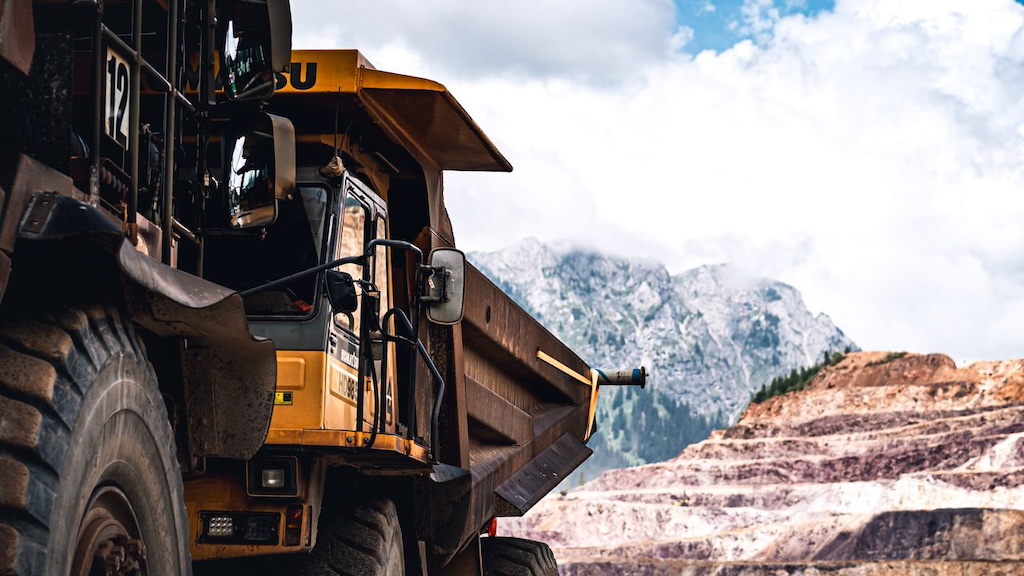
The mining industry plays a vital role in supporting economic growth by supplying essential minerals and energy resources. However, it is also one of the largest users of heavy-duty diesel-powered equipment. Excavators, dump trucks, wheel loaders, bulldozers, and diesel generators operate continuously to support exploration, extraction, and material transportation.
These intensive operations produce exhaust emissions that have become a growing concern worldwide. Among the most closely monitored pollutants are nitrogen oxides (NOx), which are formed during high-temperature combustion in diesel engines. NOx emissions contribute to poor air quality, ground-level ozone formation, acid rain, and various respiratory health problems.
As global efforts to reduce carbon emissions and improve air quality continue to strengthen, new environmental regulations are encouraging mining companies to adopt cleaner technologies. Today, mining companies are expected not only to maintain high productivity but also to ensure their operations comply with increasingly stringent emission standards.
In this context, implementing Selective Catalytic Reduction (SCR) technology together with high-quality Diesel Exhaust Fluid (DEF) has become one of the most effective solutions for reducing NOx emissions from diesel engines. As an industrial solutions provider, PT Mitra Utama Traktor Indonesia (PT MUTI) supports the mining industry’s transition toward cleaner, more efficient, and more sustainable operations through its premium Luft Blue DEF product.
Why Are Diesel Emissions a Major Concern in the Mining Industry?
The mining sector is one of the largest users of high-powered diesel engines. Unlike conventional road vehicles, mining equipment operates under extremely heavy loads, extended working hours, and harsh environmental conditions. These demanding operating conditions lead to high fuel consumption and significant exhaust emissions.
One of the primary pollutants generated by diesel engines is nitrogen oxides (NOx). This gas forms when nitrogen and oxygen react under the high temperatures inside diesel engines. At elevated levels, NOx contributes to air pollution, smog formation, and respiratory health issues.
In addition to NOx, diesel engines also emit particulate matter (PM), carbon dioxide (CO₂), and other pollutants that contribute to climate change and environmental degradation. As a result, controlling emissions from heavy equipment has become a critical component of responsible mining operations.
At the same time, investors, customers, and other stakeholders increasingly evaluate mining companies based on their commitment to Environmental, Social, and Governance (ESG) principles. Consequently, reducing emissions is no longer just a regulatory obligation—it has become a key element of long-term business strategy.
New Regulations Driving Emission Reductions
Governments around the world continue to strengthen environmental regulations aimed at reducing emissions from industrial sectors, including mining. These new policies encourage mining companies to adopt cleaner diesel technologies and more effective emission control systems.
Stricter emission standards require manufacturers and mining operators to use equipment capable of meeting increasingly demanding environmental requirements. In many cases, Selective Catalytic Reduction (SCR) technology has become one of the preferred solutions for complying with these regulations.
In addition, mining companies are encouraged to perform regular emission monitoring, improve fuel efficiency, and modernize their equipment fleets with lower-emission technologies.
These regulatory changes also offer long-term benefits. Besides helping protect the environment, cleaner technologies often improve operational efficiency, reduce fuel consumption, and extend equipment lifespan.
For mining companies, complying with environmental regulations also strengthens corporate reputation and enhances competitiveness in a global market that increasingly values sustainable business practices.
The Importance of High-Quality DEF in Reducing NOx Emissions
The effectiveness of an SCR (Selective Catalytic Reduction) system depends heavily on the quality of the Diesel Exhaust Fluid (DEF) used. DEF is a specially formulated solution consisting of high-purity automotive-grade urea and demineralized water that meets internationally recognized quality standards.
When injected into the SCR system, DEF reacts with exhaust gases, converting harmful nitrogen oxides (NOx) into harmless nitrogen and water vapor.
Using high-quality DEF offers several important advantages:
- Maximizes the efficiency of the SCR system in reducing NOx emissions.
- Helps vehicles comply with environmental emission standards.
- Prevents deposits that can clog injectors or damage SCR catalysts.
- Reduces the risk of emission system failures and costly maintenance.
- Maintains optimal engine performance during daily operations.
Conversely, using poor-quality or contaminated DEF can reduce SCR efficiency, accelerate component wear, and cause operational disruptions for heavy equipment.
As part of its commitment to supporting industrial sustainability, PT Mitra Utama Traktor Indonesia (PT MUTI) offers Luft Blue DEF, a premium-quality DEF manufactured to meet international standards. Its consistent quality helps SCR systems operate at peak performance, enabling mining equipment to reduce NOx emissions while maintaining reliable engine performance.
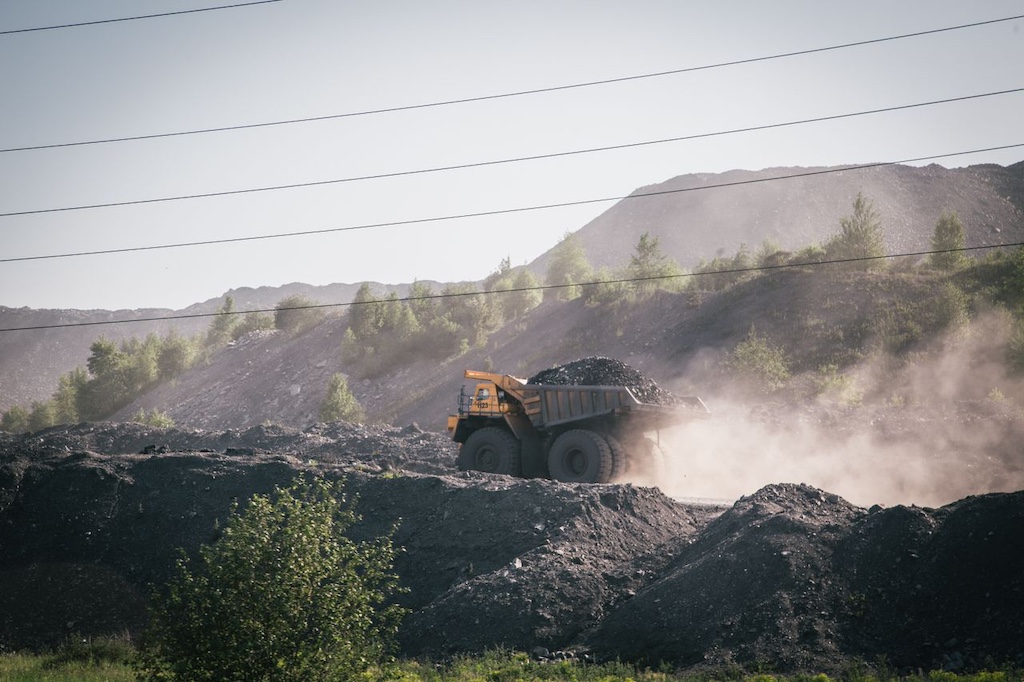
https://www.pexels.com/photo/truck-carrying-stones-on-construction-site-in-mountains-12222400/
Challenges of Implementing Low-Emission Technology in Mining
Although low-emission technologies continue to advance, their implementation in mining operations still presents several challenges.
One of the biggest challenges is that many mining sites are located in remote areas. Reliable infrastructure—including the distribution of DEF and access to maintenance services—is essential to ensure emission control systems operate efficiently.
Mining companies must also invest in upgrading or replacing heavy equipment to meet newer emission standards. Modernizing large fleets requires careful planning and significant capital investment.
Another important factor is workforce competency. Equipment operators and maintenance technicians need proper training on SCR system operation, correct DEF storage practices, and routine maintenance procedures to ensure long-term reliability.
At the same time, these challenges create opportunities for innovation. Digital technologies, real-time emission monitoring, telematics, and cleaner fuel solutions are expected to play an increasingly important role in the future of mining operations.
With the support of advanced technology, clear environmental regulations, and high-quality supporting products, the mining industry can continue improving operational efficiency while minimizing its environmental impact.
Conclusion
The growing focus on diesel emissions in the mining industry highlights that sustainability has become a fundamental part of modern industrial operations. New environmental regulations encourage companies to adopt more effective emission control technologies, including Selective Catalytic Reduction (SCR) systems supported by high-quality Diesel Exhaust Fluid (DEF).
Although implementing these technologies presents several operational challenges, the long-term benefits include improved efficiency, regulatory compliance, environmental protection, and stronger business competitiveness.
As a trusted industrial solutions partner, PT Mitra Utama Traktor Indonesia (PT MUTI) remains committed to supporting the mining industry through its premium Luft Blue DEF. By supplying high-quality DEF that meets international standards, PT MUTI helps customers maximize SCR performance, reduce NOx emissions, and achieve cleaner, more reliable, and more sustainable mining operations.
Read other Articles: Luft Blue’s Role in Fulfilling Emission Regulations in Indonesia