




Introduction
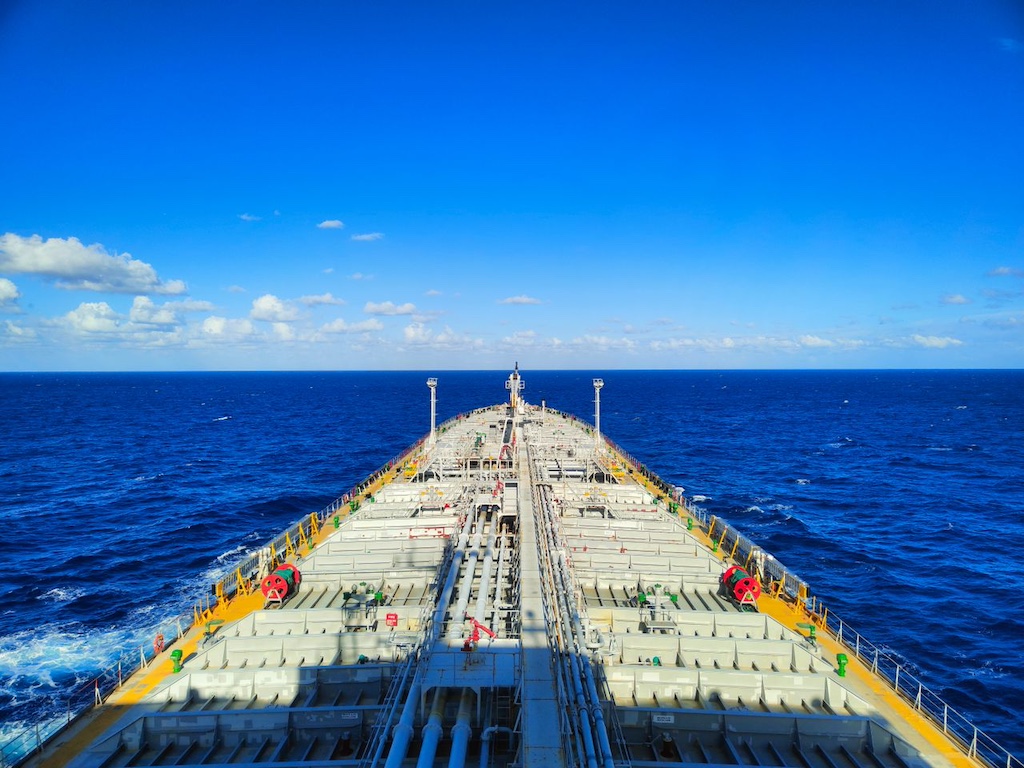
The shipping industry plays a vital role in supporting international trade and the distribution of goods across countries. A significant portion of global trade relies on maritime transportation because ships can carry large volumes of cargo over long distances. However, shipping operations also face environmental challenges, particularly greenhouse gas emissions generated by the use of fossil-based fuels.
As concerns about climate change continue to grow, the shipping industry is exploring more environmentally friendly energy sources. One solution gaining attention is Marine Biofuel, an alternative fuel derived from biological resources. It has the potential to reduce carbon emissions compared with conventional marine fuels. This fuel can be produced from various feedstocks, including vegetable oils, used cooking oil, animal fats, and organic waste.
The adoption of marine biofuel represents one approach to supporting the energy transition in the maritime sector. In addition to reducing dependence on fossil fuels, sustainable feedstocks can support better waste management. They can also promote the circular economy. However, development remains influenced by international regulations, production costs, feedstock availability, and distribution infrastructure readiness.
1. Understanding Marine Biofuel and Its Role in the Shipping Industry
Types and Feedstock Sources of Marine Biofuel
Marine Biofuel is an alternative fuel for ships produced from biological materials or biomass. Unlike conventional marine fuels derived from petroleum, biofuel utilizes renewable resources such as vegetable oils, used cooking oil (UCO), animal fats, and various organic residues.
During production, these feedstocks are processed using specific technologies to produce fuels with characteristics suitable for marine operations. One commonly used type is FAME (Fatty Acid Methyl Ester), which is produced through a process called transesterification. Another type is HVO (Hydrotreated Vegetable Oil), a fuel manufactured through hydrogenation, producing hydrocarbons with properties closer to conventional diesel fuel.
Using Marine Biofuel as a Blend with Conventional Marine Fuels
Marine biofuel is generally used in blends with fossil-based marine fuels, such as marine gas oil or very low sulfur fuel oil. Blending ratios can vary, including B20, B24, and B30, which indicate the percentage of biofuel in the fuel mixture. These blends allow vessels to use alternative fuels without major modifications to their engine systems. However, fuel specifications and equipment compatibility must meet relevant technical requirements.
Marine Biofuel’s Benefits for Shipping Industry Decarbonization
One of the main advantages of marine biofuel is its potential to reduce greenhouse gas emissions based on a fuel’s life cycle assessment. Emission reductions can be achieved because carbon from biological feedstocks has different characteristics from carbon released through the combustion of fossil fuels. However, the actual environmental benefits depend on the feedstock type, production process, energy consumption, and treatment methods involved.
In addition to reducing carbon footprints, biofuel utilization creates opportunities to transform waste into valuable energy resources. Used cooking oil and organic residues, for example, can be processed into feedstocks for fuel production after undergoing appropriate collection and purification procedures.
Within the shipping industry, marine biofuel is considered an alternative that can support decarbonization targets without requiring complete dependence on new engine technologies. Its development also aligns with broader efforts across the transportation and industrial sectors to improve energy efficiency, reduce emissions, and implement more sustainable operational systems.
2. IMO Regulatory Uncertainty and Its Impact on Biofuel Demand
The IMO Net-Zero Framework and Shipping Emission Reduction Targets
The development of marine biofuel is influenced not only by technological readiness and feedstock availability but also by international environmental policies. One of the key organizations responsible for regulating emissions in the shipping industry is the International Maritime Organization (IMO).
The IMO continues to encourage greenhouse gas emission reductions in maritime activities through various policies and strategies. One of its major initiatives is the IMO Net-Zero Framework, a regulatory framework designed to guide the international shipping industry toward net-zero greenhouse gas emissions by 2050. The framework includes greenhouse gas fuel intensity standards and economic mechanisms related to compliance with emission reduction targets.
Regulatory Delays and Their Impact on the Shipping Industry
However, the implementation of these policies has faced different perspectives among member states. Discussions regarding emission pricing mechanisms, revenue distribution, alternative fuel availability, and the economic impact on the shipping industry remain important factors influencing the decision-making process.
In October 2025, discussions on the formal adoption of the IMO Net-Zero Framework were postponed for one year. As of November 2026, discussions are continuing through working group meetings, with the matter scheduled to be revisited at the 85th session of the Marine Environment Protection Committee (MEPC 85), taking place from November 30 to December 3, 2026. This situation has created uncertainty for industry players regarding the timing and implementation of the proposed regulations.
Regulatory uncertainty can influence shipping companies’ decisions to adopt low-carbon fuels. Without clear information about future emission requirements and incentives, some operators may become more cautious about investing in or increasing their use of biofuel. Companies must also consider the price difference between alternative fuels and conventional fossil-based fuels.
Regional Policies and Their Influence on Biofuel Demand
This situation can be observed in Singapore’s marine biofuel market. From January to September 2026, marine biofuel sales in the country reached approximately 603,000 tonnes, representing a 47% decline compared with the same period in 2025. This decrease followed a significant increase in biofuel sales during 2025.
On the other hand, regional policies such as the European Union’s FuelEU Maritime regulation continue to encourage the adoption of low-carbon fuels. This regulation requires ships above 5,000 gross tonnage operating at EU ports to reduce the greenhouse gas intensity of the energy they use.
Therefore, regulatory certainty is an important factor in accelerating marine biofuel adoption. Consistent policies can help shipping companies develop investment strategies, estimate operational costs, and determine suitable fuel options to achieve their long-term sustainability targets.
3. Global Trends in Marine Biofuel Adoption
Marine Biofuel Market Developments in Singapore
The use of marine biofuel is gradually expanding across various international trade and shipping hubs. Several shipping companies and marine fuel suppliers are beginning to consider biofuel as an alternative solution for reducing carbon emissions without completely replacing existing vessel propulsion technologies.
Singapore is one of the most important markets in the development of marine biofuel due to its position as the world’s largest marine bunkering hub. Its port infrastructure and high level of maritime trade activity make the country a strategic location for distributing and developing alternative fuels for international vessels.
Although demand declined in 2026, marine biofuel previously experienced considerable growth in the Singapore market. Sales throughout 2025 more than doubled compared with 2024. This development demonstrated the growing attention biofuel was receiving as a solution for reducing emissions in the shipping industry.
Growth of Biofuel Adoption in the European Market
In addition to Singapore, Rotterdam in the Netherlands is another major marine fuel trading hub that has been developing biofuel utilization. The implementation of FuelEU Maritime and various incentives across Europe has also supported demand for low-carbon marine fuels. During the first half of 2026, sales of biofuel-blended bunker fuels in Rotterdam increased by approximately 28% compared with the same period in the previous year.
Factors Influencing Marine Biofuel Adoption Trends
However, this growth still faces several challenges. Some shipping companies have not fully transitioned to biofuel, even when its price may be competitive with conventional fuels under certain market conditions. This indicates that fuel selection is influenced not only by price but also by regulatory certainty, supply availability, and companies’ operational strategies.
Amid these developments, energy diversification has become an important consideration for the shipping industry. Unstable energy supplies and fluctuations in fossil fuel prices caused by geopolitical conditions are encouraging companies to explore various alternative energy options. The adoption of dual-fuel vessels is also becoming one approach to providing greater flexibility in fuel selection.
Looking ahead, marine biofuel trends are expected to remain influenced by technological developments, emission policies, and producers’ ability to provide competitively priced fuel. The growing demand for more environmentally responsible maritime transportation could also create opportunities for developing biofuel supply chains in various countries.
4. Challenges and Opportunities in Developing Low-Carbon Marine Fuels
The development of low-carbon fuels for the shipping industry offers significant opportunities to support the global energy transition. However, widespread adoption still requires preparation across several areas, ranging from feedstock availability to distribution infrastructure. Marine biofuel is one alternative that can potentially be implemented in the near term, although several challenges must be addressed.
One of the main challenges is the availability of sustainable feedstocks. Biofuel production requires substantial supplies of vegetable oils, used cooking oil, and fats. As demand increases, competition for feedstocks that meet sustainability requirements also becomes more intense. Therefore, an organized collection, processing, and distribution system is essential to ensure consistent production.
Cost is another important consideration. Marine biofuel can be more expensive than conventional fossil-based fuels due to processing requirements, limited feedstock supplies, and the need for supporting infrastructure. Without sufficient incentives or policies that provide economic certainty, shipping companies may postpone large-scale biofuel adoption.
In addition, fuel compatibility with ship engines must be carefully considered. Each type of biofuel has different characteristics, including storage stability, water content, viscosity, and oxidation resistance. Therefore, fuel blends must be selected according to engine specifications and applicable quality standards to avoid affecting engine performance and operational reliability.
Despite these challenges, marine biofuel offers several promising development opportunities.
1. Utilizing Waste as an Alternative Energy Source
The use of used cooking oil and organic residues as biofuel feedstocks can help reduce waste while creating additional economic value. This approach also supports the circular economy by optimizing resources that would otherwise be discarded.
2. Supporting Carbon Emission Reductions
Marine biofuel has the potential to reduce greenhouse gas emissions throughout its life cycle compared with fossil-based fuels. The use of sustainable feedstocks and efficient production processes can help lower the carbon intensity of shipping operations.
3. Utilizing Existing Infrastructure
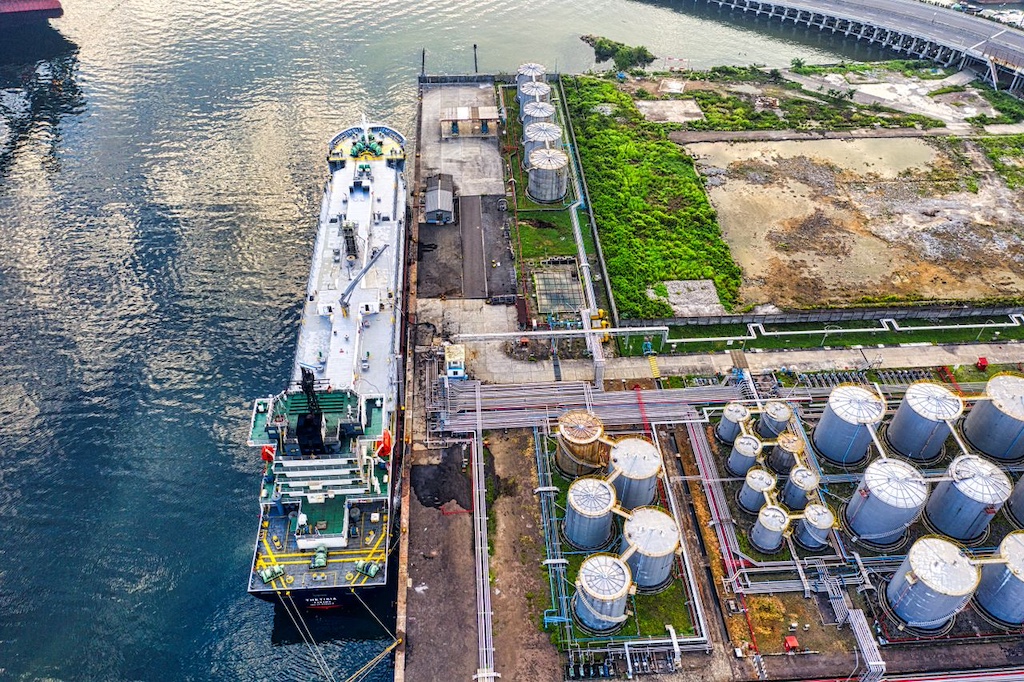
Certain types of marine biofuel can be blended with conventional fuels without requiring major modifications to vessel engine systems. This provides opportunities for more practical implementation. Shipping companies can utilize existing fuel storage, distribution, and bunkering infrastructure, provided technical compatibility requirements are met.
4. Encouraging Technological and Energy Industry Innovation
Growing demand for low-carbon fuels can encourage the development of technologies for processing used oils, refining feedstocks, and producing next-generation biofuels. These developments also create opportunities for collaboration among energy companies, waste processing industries, technology providers, and shipping operators.
https://www.pexels.com/photo/aerial-view-of-cargo-ship-on-dock-3840446/
5. Strengthening Energy Diversification in the Maritime Sector
Dependence on a single type of fuel can increase operational risks when supply disruptions or energy price fluctuations occur. By developing multiple alternative fuel options, the shipping industry can improve operational resilience while adapting to emission reduction policies.
In addition to developing alternative fuels, reducing environmental impacts across transportation and industry also requires emission control technologies. For diesel engines, Diesel Exhaust Fluid (DEF) supports Selective Catalytic Reduction (SCR) systems. These systems help reduce nitrogen oxide (NOx) emissions from exhaust gases.
Although DEF is not an alternative fuel, it serves a different purpose from marine biofuel. Both contribute to broader efforts to reduce the environmental impact of transportation. Combining sustainable energy choices, operational efficiency, and emission control technologies can create more environmentally responsible transportation systems.
Conclusion
Marine biofuel is a low-carbon fuel alternative that supports the shipping industry’s transition toward more sustainable operations. It uses feedstocks such as vegetable oils, used cooking oil, and animal fats. This fuel can reduce dependence on fossil energy while creating additional value through better waste management.
Nevertheless, its development is still influenced by IMO regulatory uncertainty, fluctuations in market demand, production costs, and limited feedstock availability. These conditions show that a successful maritime energy transition depends on more than technological availability. It also requires clear policy support, investment, and infrastructure readiness.
Looking ahead, marine biofuel development needs to progress alongside innovations in other alternative fuels. It also requires improvements in energy efficiency and the implementation of emission control technologies. Through a comprehensive approach, the shipping industry can continue supporting global trade while reducing carbon emissions and promoting long-term environmental sustainability.
Read other Articles: Global Shipping Industry Faces New Emission Regulations