




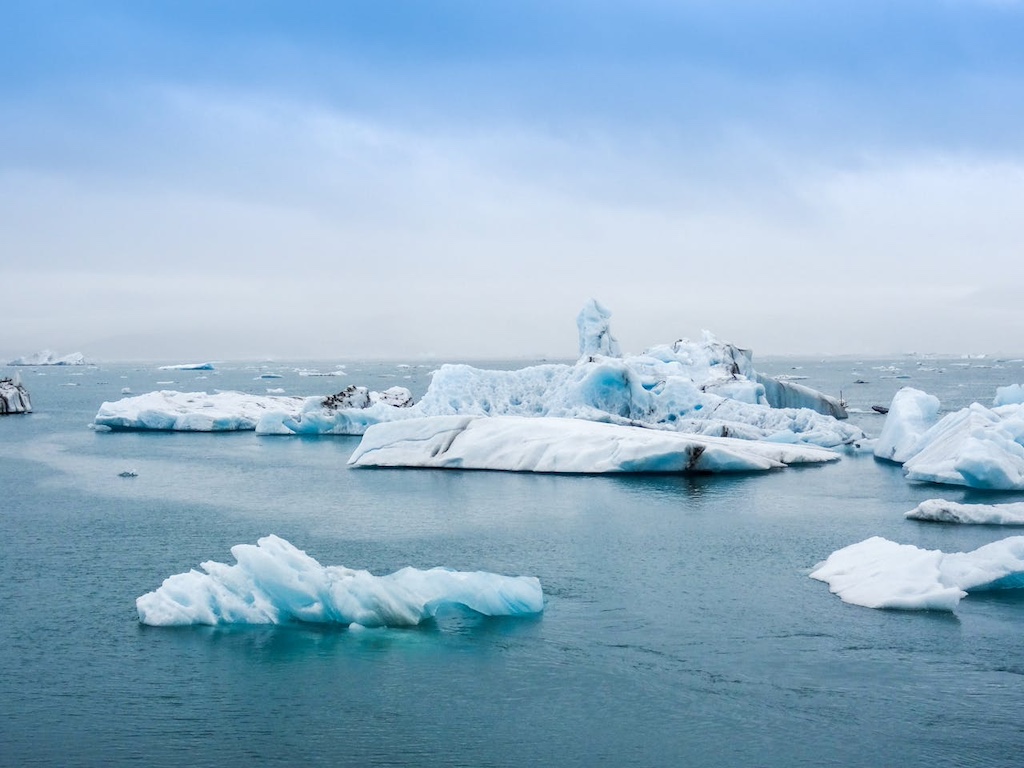
Tropical cyclones have increasingly become a global concern as weather patterns grow more extreme and unpredictable. In the era of climate change, cyclones are no longer seen as rare natural events but as a direct consequence of ongoing global warming. Rising global temperatures have accelerated the formation of environmental conditions that support stronger, more frequent, and less predictable cyclones.
For the industrial sector, this situation presents serious challenges. Industries that rely heavily on stable weather, reliable infrastructure, and smooth supply chains—such as mining, construction, energy, and logistics—are facing growing operational risks. Therefore, understanding the connection between global warming and tropical cyclones is essential, including for industrial solution providers like PT Mitra Utama Traktor Indonesia, which play an important role in supporting industrial operations under various environmental conditions.
Tropical Cyclones Amid Climate Change
Tropical cyclones are extreme weather systems that form over warm ocean waters, characterized by low air pressure, strong winds, and heavy rainfall. Over the past few decades, scientists have observed significant changes in cyclone behavior, including increased intensity and shifts in their formation patterns.
Global climate change plays a major role in this trend. Warming oceans and atmospheric changes create increasingly favorable conditions for cyclone development. As a result, regions that were once less affected are now experiencing cyclone impacts, while traditionally vulnerable areas face even greater risks.
Key Environmental Factors in Cyclone Formation
The formation of tropical cyclones depends on several key environmental factors. One of the most important is warm sea surface temperatures, generally at or above 26–27 degrees Celsius. Warmer oceans provide the energy needed for cyclones to form and intensify.
In addition, unstable atmospheric conditions with high moisture levels accelerate the development of convective clouds. An initial low-pressure disturbance often acts as the trigger for cyclone formation. Another critical factor is low vertical wind shear, which allows the cyclone’s structure to develop and remain stable.
Due to climate change, these conditions are being met more frequently. Global warming has led to consistently rising sea temperatures, while atmospheric dynamics have become more complex and unpredictable. This explains why cyclones are now forming more easily than in the past.
The Impact of Global Environmental Changes on Cyclones
Global warming has a direct influence on tropical cyclone behavior. Higher sea surface temperatures mean more available energy, increasing the potential for cyclones to grow stronger. This often results in higher wind speeds and longer-lasting storms.
Changes in global climate patterns, such as El Niño and La Niña, also affect cyclone location and frequency. These shifting patterns make cyclone activity less predictable, forcing industrial regions to prepare for risks beyond historical trends.
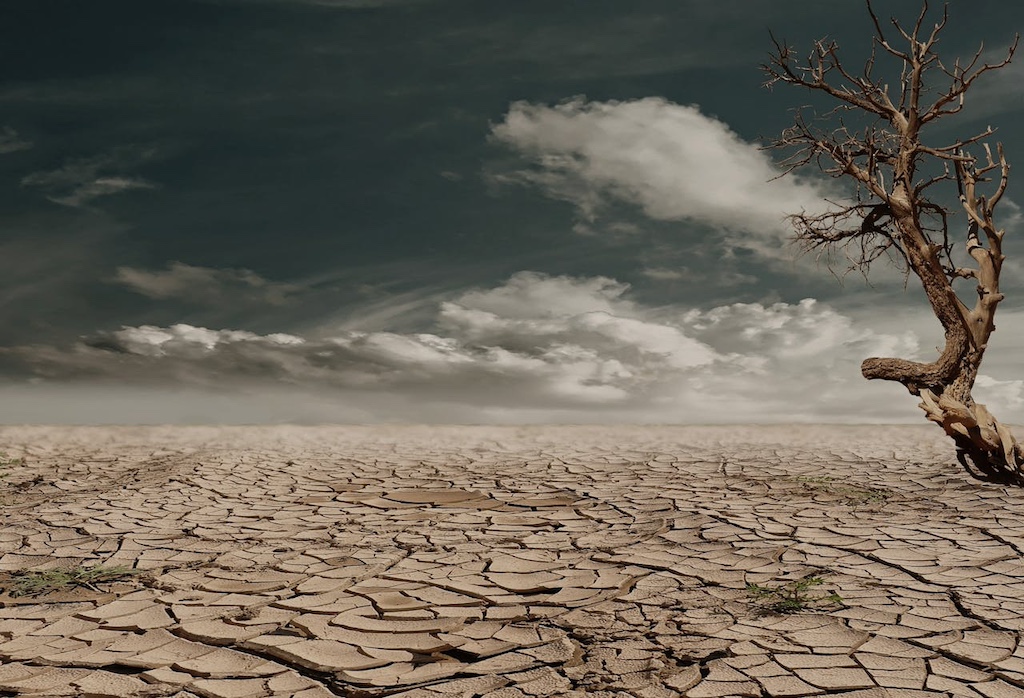
This uncertainty has a direct impact on long-term industrial planning. Project scheduling, heavy equipment transportation, and on-site asset management must now account for increasingly volatile weather conditions.
[https://www.pexels.com/photo/photo-of-brown-bare-tree-on-brown-surface-during-daytime-60013/]
Major Impacts of Global Warming on Cyclone Intensity
One of the most visible effects of global warming is the rising intensity of cyclones. Stronger winds can damage industrial infrastructure, production facilities, and transportation routes both on land and at sea. Meanwhile, extreme rainfall significantly increases the risk of flooding and landslides, particularly in areas with limited drainage systems.
Industrial supply chains also face added pressure. Weather-related disruptions can delay the delivery of raw materials, heavy equipment, and critical components. This situation demands more adaptive and resilient operational systems.
For companies such as PT Mitra Utama Traktor Indonesia, these challenges highlight the importance of reliable heavy equipment solutions, advanced technology, and dependable support services. Equipment readiness and systems designed to withstand extreme environmental conditions are essential for maintaining industrial continuity.
Conclusion
Tropical cyclones in the era of climate change cannot be separated from the growing influence of global warming. Rising sea temperatures, changing atmospheric patterns, and increasing weather uncertainty have intensified cyclone impacts across many regions. These developments pose serious challenges for industries that depend on environmental stability to operate efficiently.
By understanding the factors behind cyclone formation and the effects of global warming, industrial stakeholders can take more effective mitigation measures. Investment in adaptive technology, climate risk planning, and resilient heavy equipment systems is becoming increasingly important. In the face of global climate change, preparedness and adaptation are no longer optional—they are essential for long-term industrial sustainability.
Read other Articles: Predicted Increase in Tropical Cyclone Seeds: What Are They and Why Should We Be Concerned?