




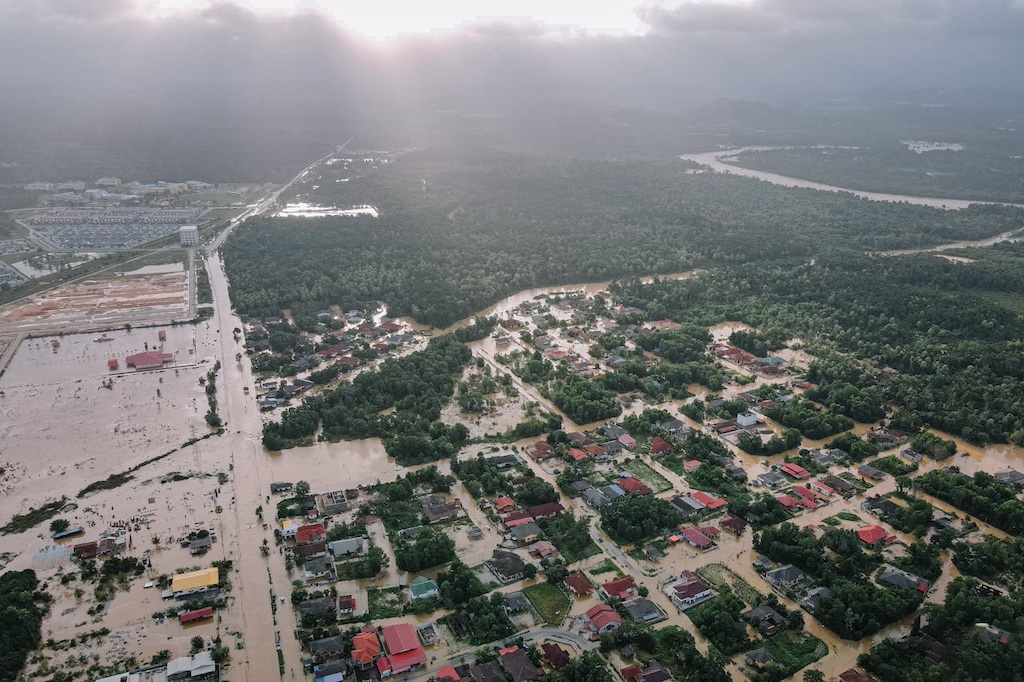
The G20 Summit held in South Africa comes at a critical moment when the world is facing the real and escalating impacts of climate change. As a country often seen as a symbol of global inequality, South Africa is confronting severe flooding, highlighting social and economic disparities that continue to deepen. Amid these challenges, South Africa, as the host nation, uses the G20 platform to amplify a message of global solidarity—calling on both developed and developing countries to take concrete action in addressing the climate crisis and widening inequality.
Floods and the Impact of the Climate Crisis in South Africa
In recent years, South Africa has experienced significant shifts in climate patterns, with more intense and prolonged rainy seasons. This has triggered widespread flooding across urban areas, industrial zones, and suburban communities. These events are no longer seen as isolated seasonal incidents, but rather as clear evidence of a worsening climate crisis.
The floods have destroyed physical infrastructure—roads, bridges, power grids, schools, and residential areas—while also disrupting social and economic stability. Communities already living in conditions of poverty became the hardest hit, especially those in low-lying or riverside areas. Beyond material losses, long-term economic disruption and psychological trauma have emerged as ongoing consequences.
Flooding has also increased public health risks, with waterborne diseases and sanitation issues growing due to contaminated drainage systems. Access to clean water, healthcare, and essential services becomes even more difficult. All of these indicators point to one reality: climate change is no longer a distant concern—it is happening now.
Widening Social and Economic Inequality
The floods reveal a deeper and more complex issue: growing social and economic inequality. The impacts are far from equal. Middle-income and affluent communities—backed by insurance, financial security, and mobility—can recover more quickly. Meanwhile, vulnerable populations bear the greatest burden.
Why inequality is worsening:
- Unequal access to essential resources: rural and marginalised communities receive limited government support.
- Uneven distribution of relief efforts: major urban areas recover faster than underserved regions.
- Reliance on informal economies: poor communities depend on informal jobs that collapse immediately during disasters.
These conditions create unequal recovery paths. While wealthier districts rebuild quickly, underprivileged areas fall further behind. This shows that the climate crisis is not only an environmental issue, but also a major driver of social inequality.
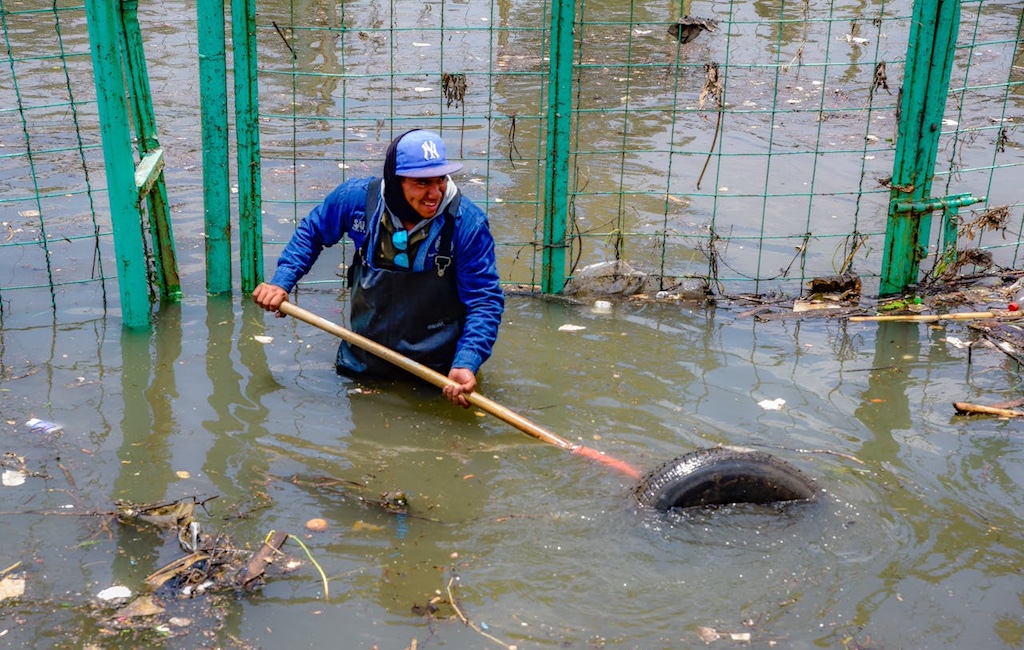
https://www.pexels.com/photo/worker-clearing-debris-from-polluted-floodwater-33438419/
Urgent Call for Global Action and South Africa’s Role as G20 Host
Ahead of the G20 Summit, South Africa emphasises that global solutions cannot be delayed any longer. The host nation uses its diplomatic position to issue a strong call for collective action, particularly from developed countries—the historical contributors to the climate crisis.
Key messages highlighted include:
- Historical responsibility: wealthy nations must acknowledge their long-standing contribution to global emissions.
- Adaptation financing: support is needed to build early warning systems, climate-resilient infrastructure, and community recovery programs.
- Technology transfer: developing countries require access to green technology and fair transition schemes.
- Climate justice: climate solutions must be inclusive, equitable, and considerate of the socio-economic realities in vulnerable nations.
South Africa demonstrates that global leadership must now be grounded in fairness and collective responsibility. The G20 stage becomes an important platform for amplifying the needs of climate-affected communities and urging major nations to move beyond promises and toward real implementation.
Conclusion
Floods, inequality, and climate change form a multidimensional crisis that reinforces one another. Within the context of the G20 Summit in South Africa, these issues become a collective call for stronger global action, supported by real commitments, adequate financing, and equitable adaptation strategies.
Reducing global emissions is essential, but it must be accompanied by efforts to strengthen community resilience, expand technological innovation, and build broad international cooperation. South Africa positions climate justice as the core of the discussion, urging cross-border solutions for a world facing escalating climate threats.
The end of the G20 Summit is not the end of the mission — it marks the beginning of a new chapter for global collaboration. The world must commit to building resilient systems, accelerating energy transition, and ensuring an inclusive approach that protects vulnerable populations. Only through fair, unified, and structured action can the world move toward a safer and more sustainable future.
Read other Articles: Raja Ampat at a Crossroads Between Mining and Nature