



Introduction
The global environmental crisis has become a shared challenge that cannot be solved by a single country alone. Climate change, air pollution, and waste management issues continue to grow alongside population increases, urbanization, and modern industrialization. In this situation, international cooperation has become essential in creating more effective and sustainable environmental solutions.
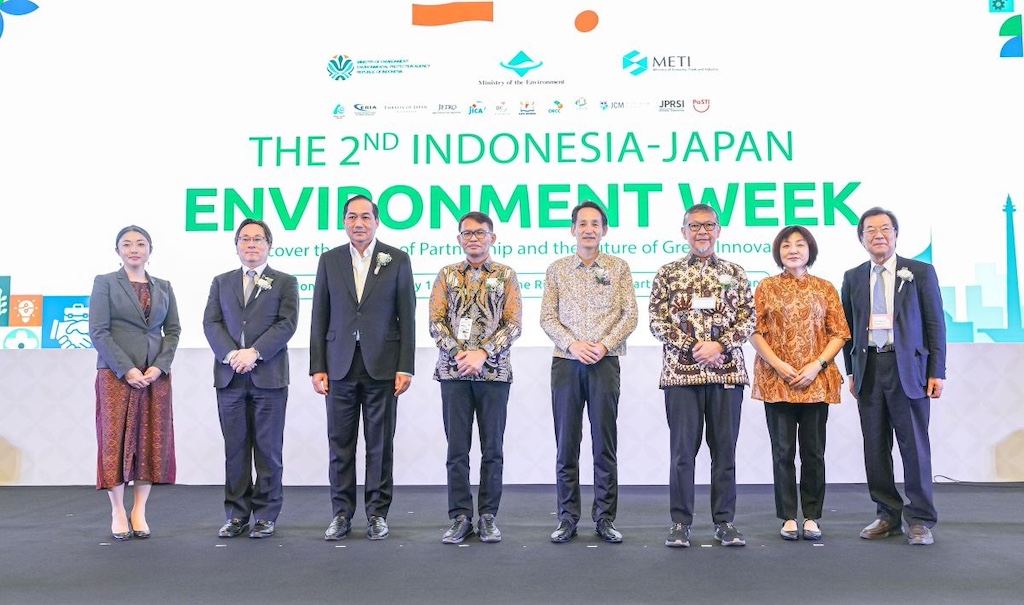
Indonesia and Japan are among the countries actively strengthening cooperation in the environmental sector through various strategic forums and partnerships. One clear example is the 2nd Indonesia–Japan Environment Week, which serves as a platform for discussion, technology exchange, and the development of joint solutions to global environmental challenges.
This collaboration not only highlights the importance of environmental diplomacy between nations but also opens major opportunities for the development of green technology, modern waste management systems, and more integrated emission reduction strategies.
Indonesia and Japan’s Collaboration in Environmental Management
Through the 2nd Indonesia–Japan Environment Week, both countries strengthened cooperation in several strategic environmental sectors, including waste management, air pollution control, and climate change mitigation.
Waste management became one of the main focuses due to the increasing volume of waste generated by rising consumption and industrial activities. Indonesia faces significant challenges in managing urban and industrial waste, while Japan is recognized for its advanced and integrated waste management systems.
Through this collaboration, both countries encourage the exchange of experience and technology to improve waste processing, recycling systems, and waste-to-energy solutions. This approach is expected to reduce environmental pressure while supporting the development of a circular economy.
In addition to waste management, climate change remains another major concern. Indonesia and Japan discussed various carbon reduction strategies, low-emission energy development, and efforts to strengthen resilience against climate-related impacts.
Meanwhile, air pollution control has become an important issue, particularly in urban and industrial areas. This partnership opens opportunities for developing air quality monitoring technology, low-emission transportation systems, and environmentally friendly industrial technologies.
The Importance of Innovation and Environmental Technology Transfer
One of the key aspects of environmental cooperation between Indonesia and Japan is strengthening innovation and technology transfer. In the era of modern industrialization, technology plays a critical role in accelerating effective and efficient environmental solutions.
Japan is widely known for its advanced environmental technologies, ranging from waste treatment systems and energy efficiency technologies to industrial emission control solutions. Such technology transfer provides a significant opportunity for Indonesia to improve its national environmental management capacity.
Environmental innovation is not limited to large-scale technology. It also includes digital monitoring systems, automated waste processing, renewable energy integration, and the development of environmentally friendly materials.
For industries, implementing green technology is becoming increasingly important as global demand for sustainable business practices continues to rise. Companies are now evaluated not only by productivity but also by their contribution to reducing environmental impact.
Through international cooperation, technology adoption can happen more quickly and provide long-term benefits for sustainable development.
The Involvement of Government, Industry, and Academia
Successful environmental solutions require not only government involvement but also active participation from industry and academia. Therefore, the Indonesia–Japan cooperation forum also emphasizes the importance of cross-sector collaboration.
Governments play a role in establishing environmental policies, regulations, and clear sustainability targets. Meanwhile, industries are responsible for implementing environmentally friendly technologies and operational systems in practice.
On the other hand, universities and research institutions contribute through innovation development, green technology research, and scientific data that support decision-making processes.
The collaboration of these three elements forms an essential foundation for creating realistic and sustainable environmental solutions. Without strong synergy, environmental policies are often difficult to implement effectively.
In addition, public participation also plays an important role in raising awareness and encouraging behavioral changes that support environmental programs.
https://ecobiz.asia/wp-content/uploads/2026/05/DSC08679.jpg
Challenges in Implementing Environmental Policies in the Modern Industrial Era
Although cooperation and innovation continue to develop, implementing environmental policies still faces many challenges. One of the biggest challenges is balancing industrial and economic growth with environmental sustainability goals.
In many developing countries, including Indonesia, industrial growth remains a major priority to support economic development and job creation. However, industrial activities can also increase emissions, waste generation, and natural resource exploitation.
Another challenge lies in infrastructure readiness and the high investment cost of green technology. Not all industries have the financial capacity to immediately transition to more environmentally friendly systems.
In addition, implementing environmental policies requires consistent supervision, cross-sector coordination, and adaptive regulations that keep pace with technological advancements.
Amid these challenges, environmental diplomacy is becoming increasingly important as a way to strengthen global cooperation, accelerate knowledge transfer, and create more effective collective solutions.
Conclusion
Environmental cooperation between Indonesia and Japan demonstrates that global challenges such as climate change, air pollution, and waste management require collaborative international approaches. Through forums such as the 2nd Indonesia–Japan Environment Week, both countries are strengthening environmental diplomacy while opening opportunities for green technology development and sustainable solutions.
Innovation, technology transfer, and collaboration among governments, industries, and academia are key factors in addressing environmental challenges in the modern industrial era. Although implementation is not always easy, these collective efforts reflect a strong commitment to creating a cleaner, healthier, and more sustainable future.
Looking ahead, environmental diplomacy is expected to become an increasingly important part of international relations—not only to protect the environment, but also to support more responsible and sustainable economic growth.
Read other Articles: ICC’s New Policy: Strengthening International Environmental Law