




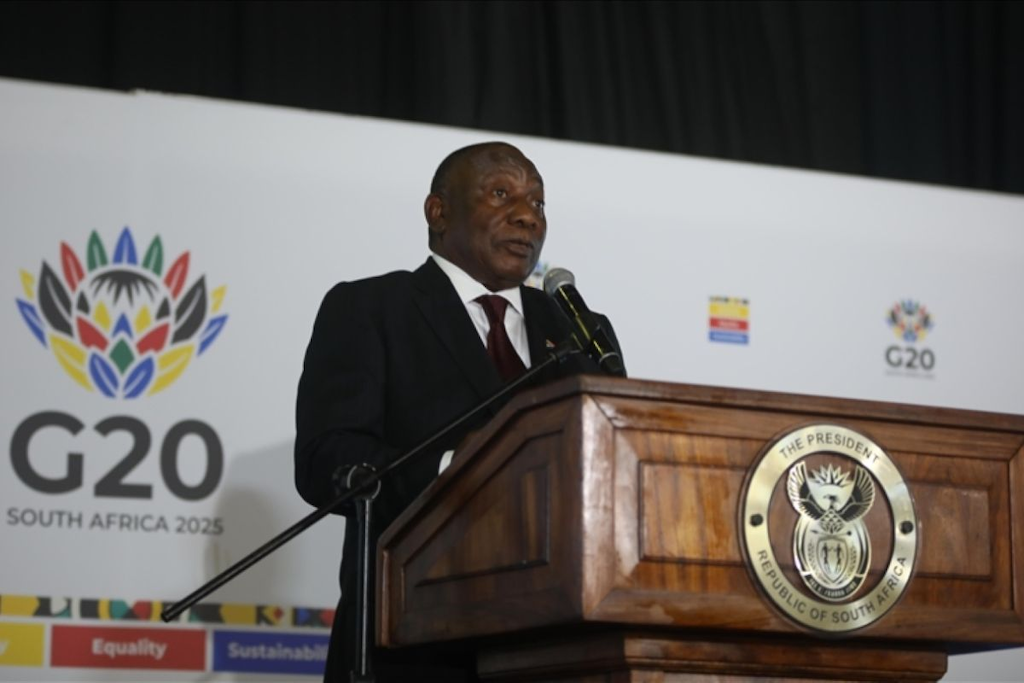
A surprising announcement emerged ahead of the G20 Summit in South Africa: the United States (U.S.) confirmed it will not attend the high-level global forum. The decision drew strong reactions from the host country and the international community. It raised questions about diplomatic relations and U.S. global leadership. The situation also affected cooperation between major and developing economies. This article explores the reasons behind the U.S. boycott and South Africa’s response. It also examines the symbolic and practical impacts of the decision.
The Decision and Reasons Behind the U.S. Boycott
An official statement from the U.S. government confirmed it will not send any top-level representatives to the G20 Summit. The decision stems from several domestic and geopolitical considerations, including:
- Domestic policy priorities: The administration stated it must focus on urgent internal matters, leaving limited room for high-level involvement abroad.
- Disagreement with certain agenda items: The U.S. reportedly disagrees with aspects of the summit’s core agenda, including climate financing frameworks and global trade policies.
- A shift in foreign policy strategy: The decision reflects an evolving geopolitical posture, signaling adjustments in how the U.S. engages on the world stage.
Beyond the absence itself, the boycott highlights a broader diplomatic shift in multilateral forums. It suggests America’s influence is transforming while leaving a strategic gap in global negotiations.
Response from South Africa as the Host Country
South Africa, as the host nation, responded in a calm yet pragmatic manner. Officials emphasized that the summit will proceed as scheduled, reaffirming the importance of maintaining global collaboration despite the U.S. absence. Key points from the host’s response include:
- A balanced diplomatic stance: South Africa conveyed that the summit’s agenda remains intact and will continue without disruption.
- Strengthening collective leadership: The host nation highlighted the need for shared leadership, encouraging developing countries to take a stronger position.
- Commitment to inclusivity: South Africa reiterated that the G20 remains an inclusive platform, welcoming diverse perspectives from governments, global institutions, and the private sector.
The composed response reflects South Africa’s determination to ensure that the G20 continues to deliver tangible outcomes for the global community.
Symbolic and Practical Impacts of the U.S. Absence
The U.S. absence has far-reaching symbolic and practical implications for global diplomacy.
Symbolic Impacts
- Reduced American dominance: The move signals declining U.S. centrality in global decision-making, reinforcing a shift toward a multipolar world.
- Greater voice for developing nations: Without the U.S., developing countries have an opportunity to shape the narrative and lead key discussions.
- A marker of geopolitical realignment: The decision highlights a changing international order, where diplomacy is increasingly distributed across multiple actors.

https://www.pexels.com/photo/person-holding-gray-twist-pen-and-white-printer-paper-on-brown-wooden-table-955389/
Practical Impacts
- More complex negotiations: Key topics such as climate financing, global recovery, and food security must move forward without input from one of the largest global players.
- Potential redirection of leadership: Other nations or regional coalitions may step in to fill the diplomatic vacuum left by the U.S.
- Possible reforms in financing mechanisms: The absence could accelerate alternative funding structures that place developing nations at the forefront.
In short, the U.S. boycott simultaneously disrupts traditional diplomatic dynamics and opens new opportunities for others to take leadership within the G20 framework.
Conclusion
The official U.S. decision to skip the G20 Summit in South Africa marks a significant geopolitical moment. While it alters traditional diplomatic expectations, it also paves the way for more inclusive and diversified leadership within the global community.
South Africa’s firm yet measured response demonstrates that global dialogue can continue despite the absence of a major power. At the same time, developing countries now hold a unique opportunity to strengthen their role and push forward collective agendas.
Ultimately, the U.S. absence reflects a shifting balance of global influence. It signals that international cooperation is entering a more plural and adaptive era. These evolving dynamics may reshape global diplomacy. They also offer new space for countries to collaborate toward a more equal and sustainable future.
Read other Articles: Floods, Inequality & Climate: The Call of the G20 Summit in South Africa