



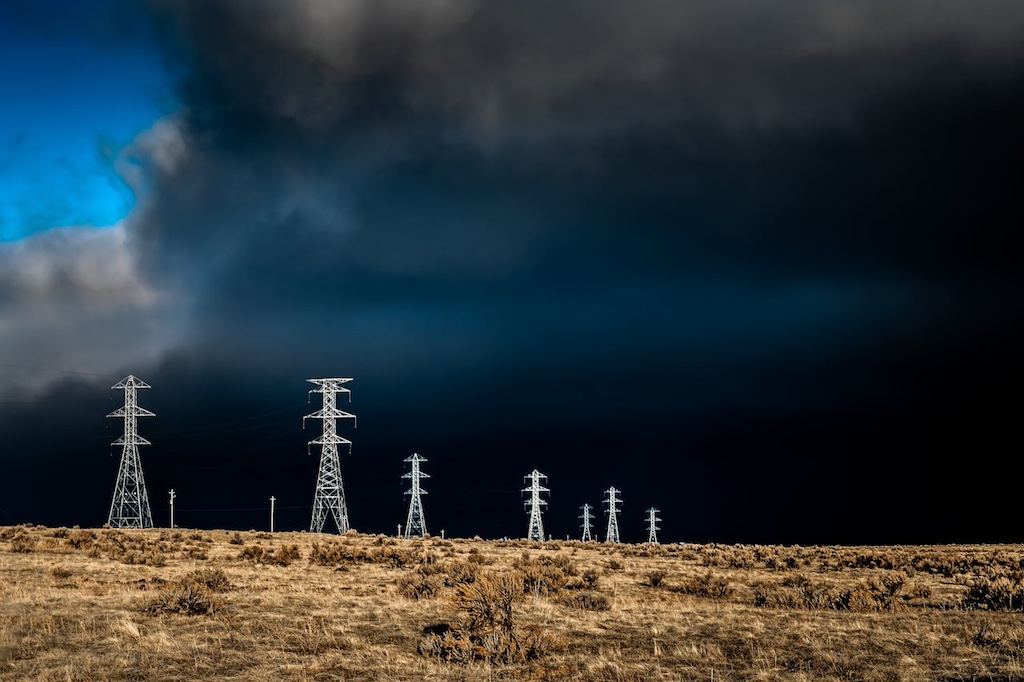
The impacts of global climate change are becoming increasingly evident, particularly in the form of more frequent and intense extreme weather events. Indonesia is no exception. In recent years, shifts in weather patterns have been marked by a growing number of tropical cyclone seeds forming in waters surrounding the country.
This phenomenon is not merely a meteorological issue—it has serious implications for strategic sectors such as transportation, energy, maritime activities, and heavy equipment industries. For companies operating in industrial solution sectors like PT Mitra Utama Traktor Indonesia, understanding extreme weather risks is an essential part of supporting safe, efficient, and sustainable operations. By recognizing the characteristics and potential impacts of tropical cyclone seeds, industry players can develop more effective risk mitigation strategies.
What Are Tropical Cyclone Seeds
Tropical cyclones are low-pressure weather systems that develop over warm ocean waters in tropical regions. They represent the early stage of a tropical cyclone and may evolve into a full cyclone if atmospheric and oceanic conditions are favorable.
These systems are typically characterized by lower air pressure at their center, the formation of intense convective cloud clusters, and the initial development of wind circulation. As warm air rises, it fuels cloud growth and increases rainfall activity in the surrounding area.
However, not all tropical cyclone seeds develop into tropical cyclones. Their growth depends on several factors, including sea surface temperature, atmospheric stability, and vertical wind shear. Even so, an increase in the number of cyclone seeds is widely regarded as an indicator of growing regional climate instability.
Regions in Indonesia at Risk and Potential Impacts
Indonesia’s geographic location in the tropics, combined with its vast surrounding oceans, makes it particularly vulnerable to extreme weather systems. Regions that frequently experience the effects of tropical cyclone seeds include the southern parts of Indonesia, such as East Nusa Tenggara (NTT), West Nusa Tenggara (NTB), and southern Java. The Indian Ocean south of Indonesia is also a common area where these systems initially form.
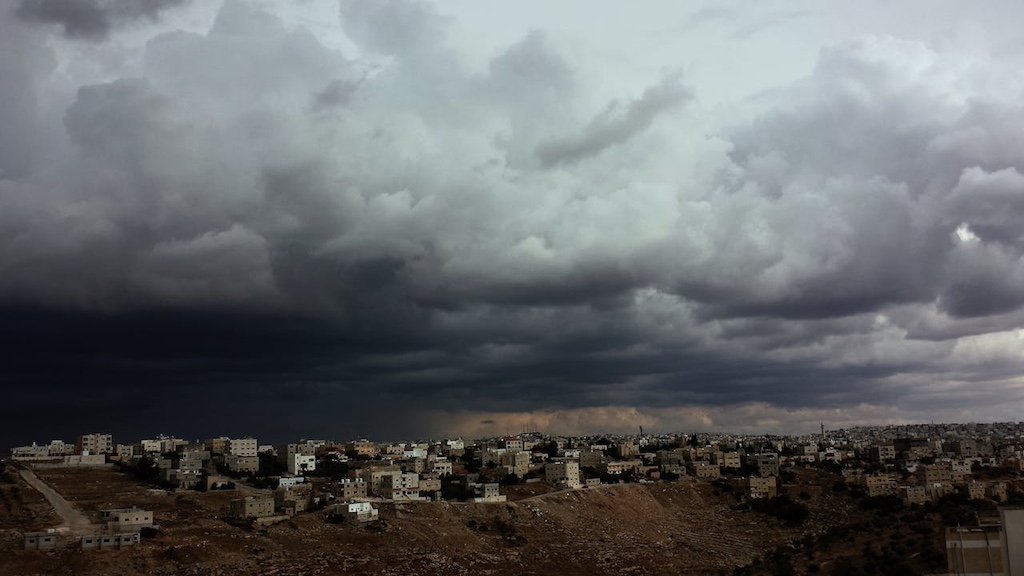
The presence of tropical cyclone seeds in these regions can lead to several significant impacts. Extreme rainfall increases the risk of flooding and landslides, especially in areas with vulnerable terrain. Strong winds and high ocean waves can disrupt maritime transportation, fishing activities, and coastal logistics.
For industrial sectors, these conditions may result in operational disruptions. Mining, construction, and heavy equipment distribution activities are particularly sensitive to extreme weather. As a result, industrial players must ensure equipment readiness and adaptive operational systems. They also need comprehensive weather risk planning to maintain operational continuity.
[https://www.pexels.com/photo/white-concrete-buildings-under-cloudy-sky-105015/]
What Happens If a Cyclone Seed Develops into a Tropical Cyclone
When environmental conditions allow a tropical cyclone seed to intensify into a full tropical cyclone, the resulting impacts become more severe and widespread. Rainfall intensity can increase dramatically, raising the likelihood of flash floods and landslides. High wind speeds may damage infrastructure, industrial facilities, and transportation networks.
In addition, tropical cyclones can disrupt logistics chains, including the delivery of heavy equipment and industrial components. Both land and sea transportation routes may face delays or closures, affecting project timelines and supply chain stability. In such situations, the reliability of technology, equipment resilience, and robust operational strategies are crucial to minimizing losses.
This highlights the importance of industrial solution providers focused on equipment reliability and technical support. A strong understanding of environmental challenges is also essential to maintain operational resilience amid climate uncertainty.
Conclusion
The predicted increase in tropical cyclone seeds around Indonesia signals a growing trend of more extreme and unpredictable weather patterns. This phenomenon presents real risks not only to communities but also to industrial sectors that rely on stable environmental conditions.
By understanding what tropical cyclone seeds are, identifying regions most at risk, and recognizing the potential impacts if these systems evolve into tropical cyclones, industry players can take proactive measures to reduce risk. Equipment readiness, adaptive operational planning, and weather-based risk management are essential foundations for resilience. In an era of global climate change, awareness and preparedness are critical to ensuring sustainable industrial operations in Indonesia.
Read other Articles: Extreme Heat Until November: This Is the Reason Behind It