




Introduction
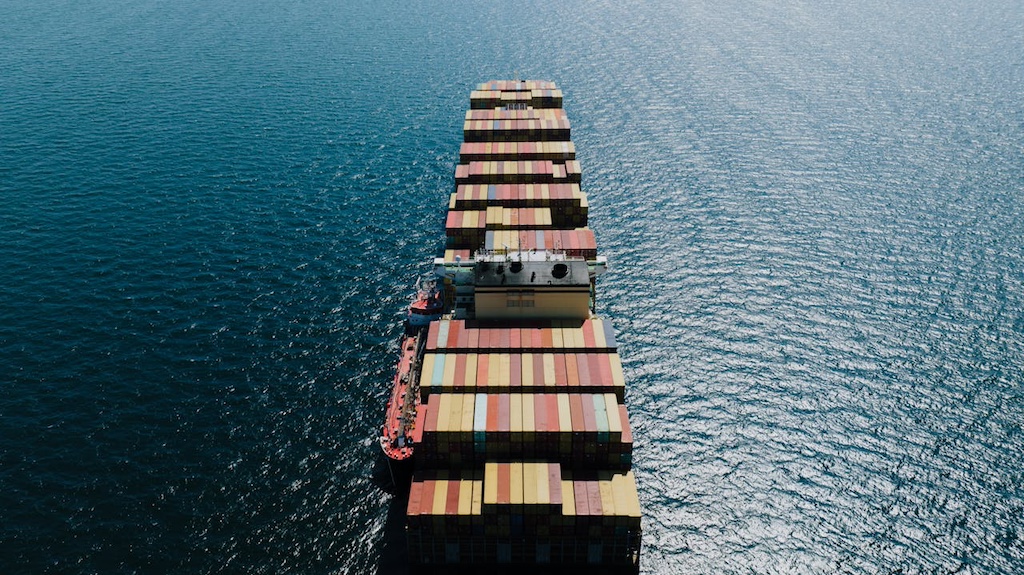
The international shipping industry plays a crucial role in global trade. Most of the world’s goods distribution still depends on maritime transportation because it can carry large volumes of cargo efficiently. However, behind its strategic role, the shipping sector is also one of the major contributors to air pollution emissions that impact both the environment and human health.
Ship emissions, especially sulfur oxides (SOx) and nitrogen oxides (NOx), contribute to air pollution, acid rain, and global climate change. As a result, international regulations regarding ship emission control continue to become stricter in order to encourage a more environmentally friendly maritime transportation system.
As a major step toward this goal, the International Maritime Organization (IMO) has officially established the world’s largest Emission Control Area (ECA) covering the North-East Atlantic and Western European waters. This policy marks an important milestone in global ship emission reduction efforts and is expected to significantly impact the international shipping industry.
Controlling Sulfur and Nitrogen Oxide Emissions from Ships
One of the main focuses of the ECA implementation is controlling sulfur oxide (SOx) and nitrogen oxide (NOx) emissions produced by ships during operations.
Sulfur oxide emissions mainly come from the use of marine fuels with high sulfur content. These emissions can cause air pollution, respiratory health problems, and acid rain that damages marine and terrestrial ecosystems.
Meanwhile, nitrogen oxides are produced during ship engine combustion processes. These gases contribute to smog formation, air pollution, and increased health risks for humans.
Through the ECA policy, ships operating within designated areas are required to use low-sulfur fuel or apply emission control technologies that meet international standards. In addition, new vessels are encouraged to use engine technologies capable of significantly reducing NOx emissions.
This step demonstrates that the global maritime industry is moving toward cleaner and more sustainable operations.
Coverage Area: North-East Atlantic and Western European Waters
The newly established ECA by the IMO covers the North-East Atlantic region and much of the Western European waters. This area is one of the busiest shipping routes in the world. It connects international trade activities between Europe and many other countries.
The region experiences extremely high shipping traffic, making ship emissions a serious concern for air quality and marine environmental conditions. With the implementation of the ECA, monitoring and enforcement of ship emission standards in the region will become stricter.
The establishment of this ECA provides significant environmental benefits. It also reflects a growing global commitment to reducing emissions from the maritime transportation sector.
Impact of the New Regulation on the International Shipping Industry
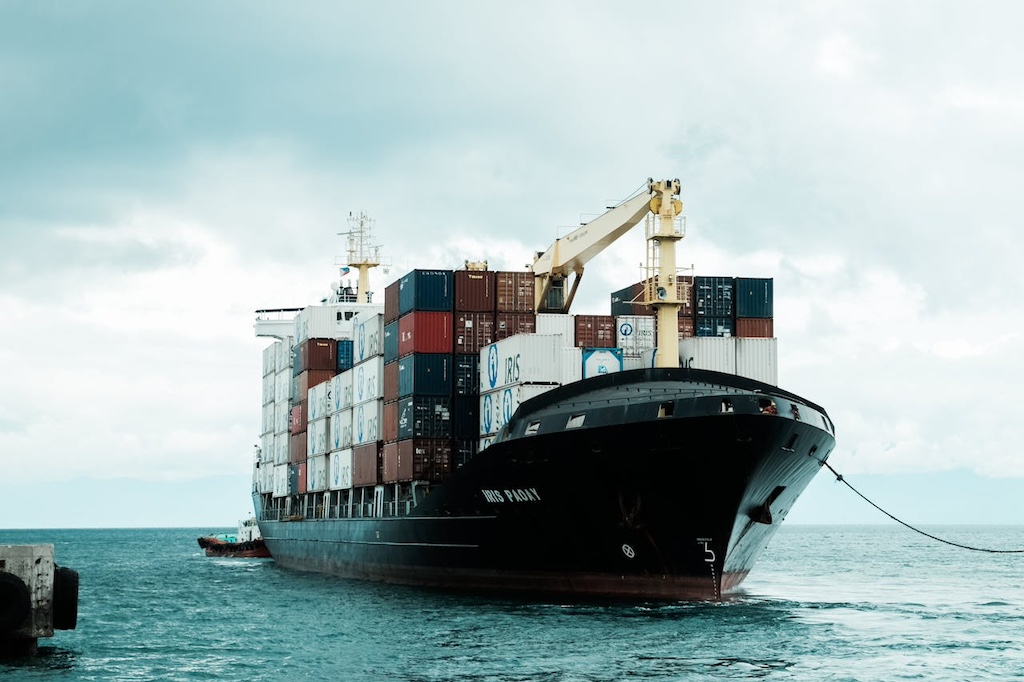
The establishment of the world’s largest ECA will certainly bring major changes to the international shipping industry. Shipping companies must now adjust their operations to comply with emission standards applied in the regulated area.
Some of the necessary adjustments include using low-sulfur fuel, installing scrubber technology, implementing NOx reduction systems, and developing vessels powered by alternative energy sources.
These changes may increase operational costs in the short term. Companies need to invest in technology upgrades and fleet adjustments. However, the regulation is expected to accelerate maritime industry transformation in the long term. It supports the development of a more efficient and sustainable transportation system.
The policy is also encouraging innovation in maritime technology, including the development of environmentally friendly fuels such as LNG, biofuel, methanol, and hydrogen.
For logistics, energy, and heavy equipment industries, global regulatory changes are important considerations in operational planning. These changes also affect international supply chain management.
https://www.pexels.com/photo/massive-cargo-ship-docked-in-davao-harbor-28482154/
The IMO’s Decision to Establish the World’s Largest ECA
The decision made by the International Maritime Organization (IMO) to establish the world’s largest ECA represents a strategic step toward supporting global emission reduction targets. This regulation shows that the international shipping sector is no longer focused solely on trade efficiency but is also prioritizing environmental sustainability.
The establishment of such a large-scale emission control area reflects the growing global pressure on industries to operate more responsibly toward the environment.
The IMO’s policy is expected to become a reference for similar regulations in other parts of the world. As emission standards continue to expand globally, the maritime industry will face a major transformation toward low-emission shipping systems.
Environmental regulatory changes encourage companies to improve technological readiness and operational efficiency. Companies must also strengthen their adaptability to evolving global policies.
Conclusion
The establishment of the world’s largest Emission Control Area (ECA) by the IMO in the North-East Atlantic marks an important step in global efforts to reduce emissions from the international shipping sector. Controlling sulfur oxide and nitrogen oxide emissions is expected to reduce air pollution while improving environmental quality in some of the world’s busiest shipping regions.
Although the regulation creates new challenges for the shipping industry, it also opens new opportunities. These opportunities support the acceleration of environmentally friendly and energy-efficient maritime technology innovations. The transition toward low-emission maritime transportation is now becoming an important part of the global sustainability agenda.
Moving forward, collaboration between regulators, industries, and technology providers will play a key role. This collaboration helps ensure the shipping sector continues to grow responsibly. It also supports environmental protection efforts and global carbon emission reduction goals.
Read other Articles: Global Shipping Industry Faces New Emission Regulations