




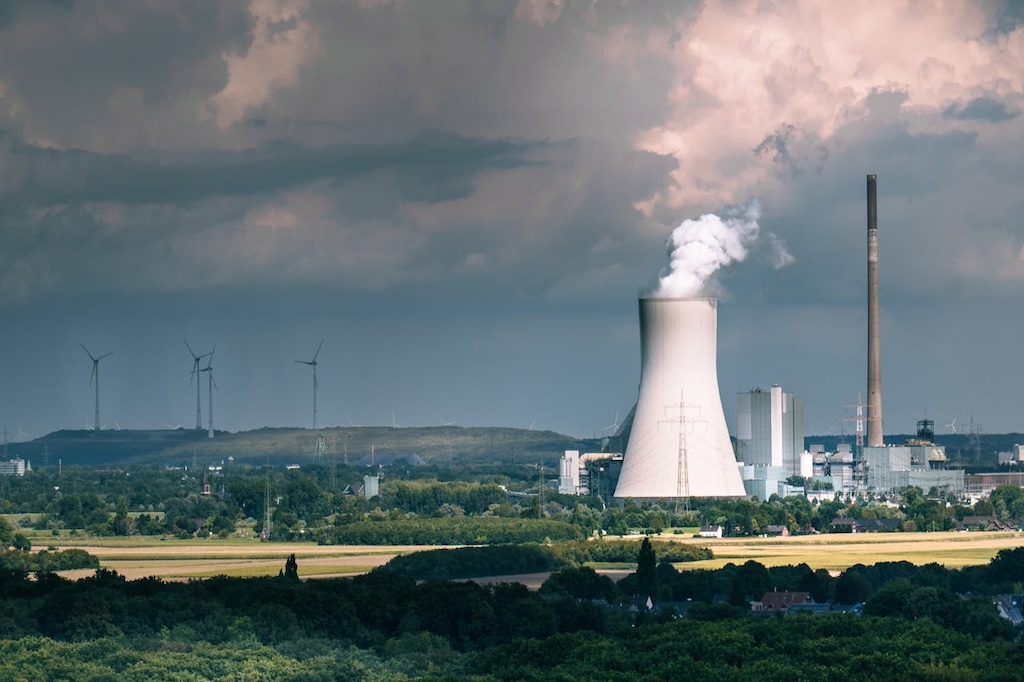
The global transition toward clean energy has become a key agenda, particularly in the industrial sector, which remains one of the largest contributors to greenhouse gas emissions. Amid global efforts to meet emissions reduction targets, the development and adoption of New and Renewable Energy (NRE) continue to accelerate. Industries are increasingly turning to energy sources such as solar, wind, and biomass to support their operations.
However, this progress presents a paradox. Despite the growing use of renewable energy in industry, overall emissions have not declined as expected. This raises important questions: what factors are holding back emissions reductions? How do operational challenges and technological limitations weaken the environmental impact of renewable energy adoption? This article explores the current state of NRE adoption, the reasons emissions remain high, and the key obstacles related to energy system integration and storage technologies.
Growing Adoption of New and Renewable Energy in Industry
In recent years, large and medium-sized industries have shown a positive trend in adopting New and Renewable Energy (NRE). This shift is driven by several factors, including increased awareness of climate change, supportive government incentives, and rising market pressure as companies place greater emphasis on Environmental, Social, and Governance (ESG) performance.
Common forms of NRE adoption in industry include:
- Rooftop solar panels are installed at manufacturing facilities to supply part of their electricity needs.
- Wind power generation supports operations in suitable geographic areas.
- Biomass energy is used as an alternative fuel for heating and production processes.
In addition, renewable energy technologies have become more affordable in terms of investment and operational costs. As a result, many industrial players now include renewable energy in their long-term energy strategies—not only to reduce energy expenses but also to strengthen their environmental credibility.
Despite Increased NRE Use, Industrial Emissions Have Not Declined Significantly
Although renewable energy adoption continues to expand, recent trends indicate that emissions reductions in the industrial sector remain limited. Many companies that have integrated renewable energy into their operations find that total greenhouse gas emissions have not decreased substantially compared to initial targets.
Several factors contribute to this situation:
- Limited scale of renewable energy use: Renewable energy often supplies only a small portion of total industrial energy demand, while fossil fuels still dominate overall consumption.
- Continued reliance on conventional energy sources: Many industrial processes remain difficult to fully electrify or transition to renewable energy due to their high and continuous energy requirements.
- Industrial growth and increased production: In some cases, rising production volumes lead to higher overall energy consumption, offsetting emissions reductions achieved through renewable energy use.
In essence, while the share of renewable energy in the energy mix has increased, its contribution to absolute emissions reduction remains modest. This highlights the complexity of the energy transition, particularly for industries that have long depended on fossil fuels.
Operational Challenges, Energy System Integration, and the Role of Technology and Energy Storage
One of the main barriers to achieving more substantial emissions reductions lies in the integration of renewable energy into industrial energy systems. This process presents several key challenges:
1. Variability of Renewable Energy Sources
Solar and wind energy are intermittent by nature and highly dependent on weather conditions. This creates difficulties in maintaining stable energy supply for industrial operations that require continuous and reliable power.
2. Limited Energy Storage Solutions
To address intermittency, effective energy storage systems, such as large-scale batteries, are essential. These systems store excess energy during peak generation and release it when production drops. However, energy storage technologies remain costly and have yet to be widely adopted across the industrial sector.
3. Integration with Existing Infrastructure
Many companies must make significant investments to retrofit or upgrade existing infrastructure to accommodate renewable energy systems. This transition requires not only capital but also time and specialized technical expertise.
4. Energy Management Challenges
Efficient energy management based on real-time data is increasingly critical. Digital technologies such as IoT- and AI-based energy management systems play a key role in maximizing renewable energy utilization, optimizing energy distribution, and minimizing waste.
5. The Role of Technology in Energy Transition
Technology supports not only energy storage but also renewable energy optimization, real-time emissions monitoring, and energy consumption forecasting. The combination of advanced technology and adaptive operational strategies is essential for achieving meaningful emissions reductions.

[https://www.pexels.com/photo/sunset-skyline-with-wind-turbines-in-bratislava-35065288/]
Conclusion
The growing adoption of renewable energy in the industrial sector represents meaningful progress in the global energy transition. Increased use of clean energy sources such as solar, wind, and biomass demonstrates that industries are moving toward more environmentally responsible business practices.
Nevertheless, absolute emissions reductions in the industrial sector remain below expectations. Operational challenges, system integration issues, and limitations in energy storage technology continue to restrict the full environmental benefits of renewable energy.
Going forward, the success of the energy transition will depend not only on expanding renewable energy capacity but also on the ability of industries to integrate, manage, and optimize increasingly complex energy systems. Advanced technology, supportive policies, and cross-sector collaboration will be crucial in building a low-emission and sustainable industrial future.
With the right approach, renewable energy adoption can become a powerful driver in reducing emissions and addressing climate change—ensuring that industrial growth aligns with environmental responsibility without compromising productivity and competitiveness.
Read other Articles: Recognizing Clean Energy Sources: Government Strategies to Reduce Emissions