




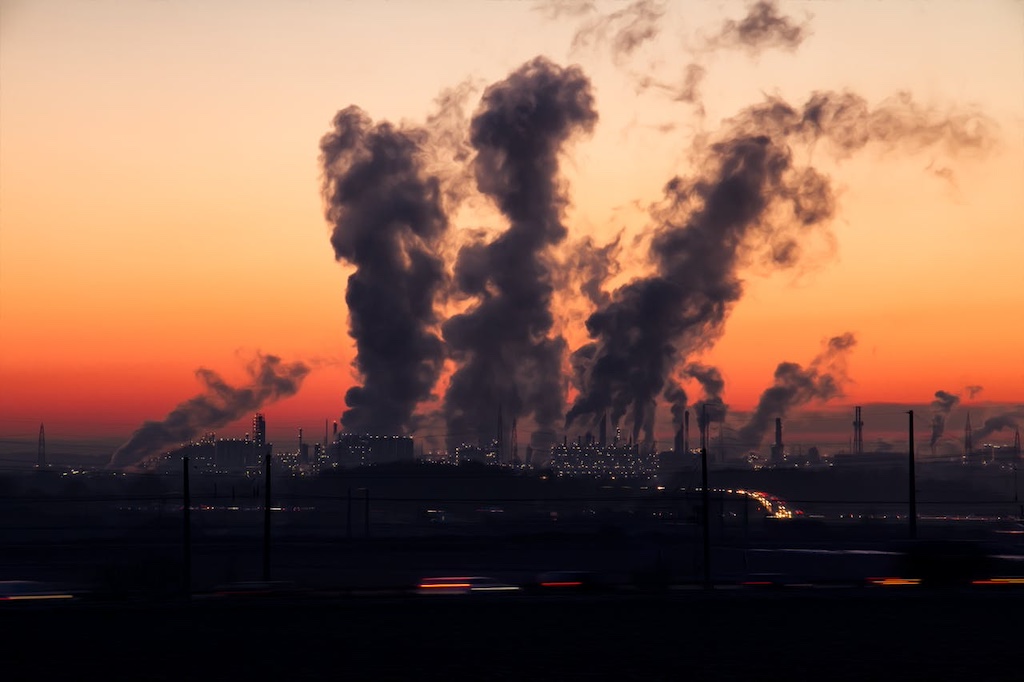
Climate change remains a serious threat to the environment, society, and the global economy. The European Union (EU), often recognized as a leader in progressive climate action, is now facing a new challenge. Recent data shows that total greenhouse gas emissions in the EU increased by 1.1% in the third quarter of 2025. This rise sends a warning signal, especially as the EU works toward ambitious climate goals, including achieving net-zero emissions in the coming decades.
The increase raises concerns about whether current policies and climate strategies are strong enough to maintain a steady decline in emissions. This article explores the latest emissions data, the sectors responsible for the increase, and the potential impact on the EU’s climate commitments and net-zero roadmap.
Latest Emissions Data and Trends in the European Union
According to the most recent figures, total greenhouse gas emissions in the EU rose by 1.1% in Q3 2025 compared to the same period in the previous year. This increase interrupts the expected downward trend in emissions and highlights ongoing challenges in reducing carbon output across the region.
This is more than just a statistical change. A rise in emissions means that economic activities, energy use, and industrial production are still generating significant levels of greenhouse gases. It also indicates that the transition toward cleaner energy and lower-carbon systems may not be progressing as consistently as planned.
Sectors Contributing to the Emissions Increase
The rise in emissions was not evenly distributed across all sectors. Several key sectors played a significant role in driving the 1.1% increase.
1. Energy and Utilities
Although renewable energy continues to grow, parts of the energy sector still rely heavily on fossil fuels. Increased demand for electricity and energy supply, particularly in some regions, contributed to higher carbon dioxide (CO₂) emissions.
2. Transportation
Transportation remains one of the largest sources of emissions. Higher mobility levels, increased air travel, and greater demand for goods transportation have led to higher fuel consumption from gasoline and diesel-powered vehicles.
3. Manufacturing and Industry
Industrial production in certain EU member states expanded during this period. Many heavy industries still depend on carbon-intensive processes, resulting in higher emissions from manufacturing activities.
4. Buildings and Construction
Residential and commercial buildings also contributed to the rise in emissions. Energy consumption for heating, cooling, and electricity increased, partly due to climate-related temperature changes and urban growth.
Together, these sectors offset previous reductions and slowed the overall progress toward lower emissions.
Impact on Climate Targets and Net-Zero Commitments
The 1.1% rise in emissions has important implications for the EU’s climate goals. The European Union has committed to significant emission reductions by 2030 and aims to reach net-zero emissions by 2050. However, temporary increases like this make it more difficult to stay on track.
Risk to Emission Reduction Commitments
If emissions continue to fluctuate or rise periodically, achieving short-term reduction targets will become more challenging. Additional policy measures or stronger enforcement may be required to ensure consistent progress.
Implications for the Net-Zero Roadmap
The EU’s roadmap to achieve net-zero emissions by 2050 depends on steady and continuous reductions each year. Any increase, even a relatively small one like 1.1%, creates pressure on future reduction efforts. It means that deeper and faster cuts may be needed in the coming years to compensate.
Furthermore, as a global climate leader, the EU’s credibility in international climate negotiations could be affected if emissions do not decline as expected.
[https://www.pexels.com/photo/air-pollution-from-an-industrial-plant-9252093/]
Strategies to Prevent Future Emissions Increases
To avoid repeated increases, the EU may need to strengthen and accelerate its climate policies through several actions:
1. Strengthening Clean Energy Policies
Expanding renewable energy, improving energy efficiency, and reducing fossil fuel dependence remain critical priorities.
2. Promoting Low-Emission Transport
Encouraging electric vehicles, improving public transportation systems, and supporting sustainable mobility solutions can help reduce transport emissions.
3. Industrial Reform and Green Innovation
Supporting cleaner technologies for heavy industries such as steel, cement, and chemicals will be essential for long-term emission reductions.
4. Advancing Green Building Standards
Improving energy efficiency in buildings, promoting renovations, and adopting low-carbon construction practices can significantly lower emissions from this sector.
A coordinated approach involving governments, businesses, and citizens will be necessary to ensure consistent progress.
Conclusion
The 1.1% increase in EU greenhouse gas emissions in the third quarter of 2025 serves as an important climate warning signal. Although the European Union has implemented ambitious climate policies, this data highlights the complexity of maintaining steady emission reductions.
Key sectors such as energy, transport, industry, and buildings must accelerate their transition toward low-carbon systems to keep the EU on track for its 2030 targets and long-term net-zero goal by 2050. The rise in emissions is not just a number — it is a reminder that climate action requires continuous commitment, innovation, and stronger implementation.
With decisive action and coordinated efforts, the European Union can still return to a stable downward emissions path and continue leading the global fight against climate change.
Read other Articles: Renewable Energy Adoption Rises, Emissions Reduction Remains Suboptimal