





Introduction
Gas stations play a critical role in supporting daily transportation and economic activities. Despite their importance, there is a less visible risk that often goes unnoticed—exposure to Volatile Organic Compounds (VOCs). These emissions are released as fuel vapors during storage, transfer, and refueling processes.
Both gas station workers, who are exposed on a daily basis, and customers, who visit periodically, can come into contact with these compounds. Over time, VOC exposure may affect human health and contribute to environmental pollution. For this reason, it is important to better understand what VOC emissions are, where they come from, the health risks they pose, and how they can be effectively controlled.
What Are VOC Emissions and Their Sources at Gas Stations
Volatile Organic Compounds (VOCs) are a group of organic chemicals that easily evaporate into the air at normal temperatures. In gas station environments, these compounds mainly come from fuel vapors, especially gasoline, which contains light hydrocarbons. Common examples of VOCs include benzene, toluene, and xylene—substances known to have potential health impacts when inhaled in certain concentrations.
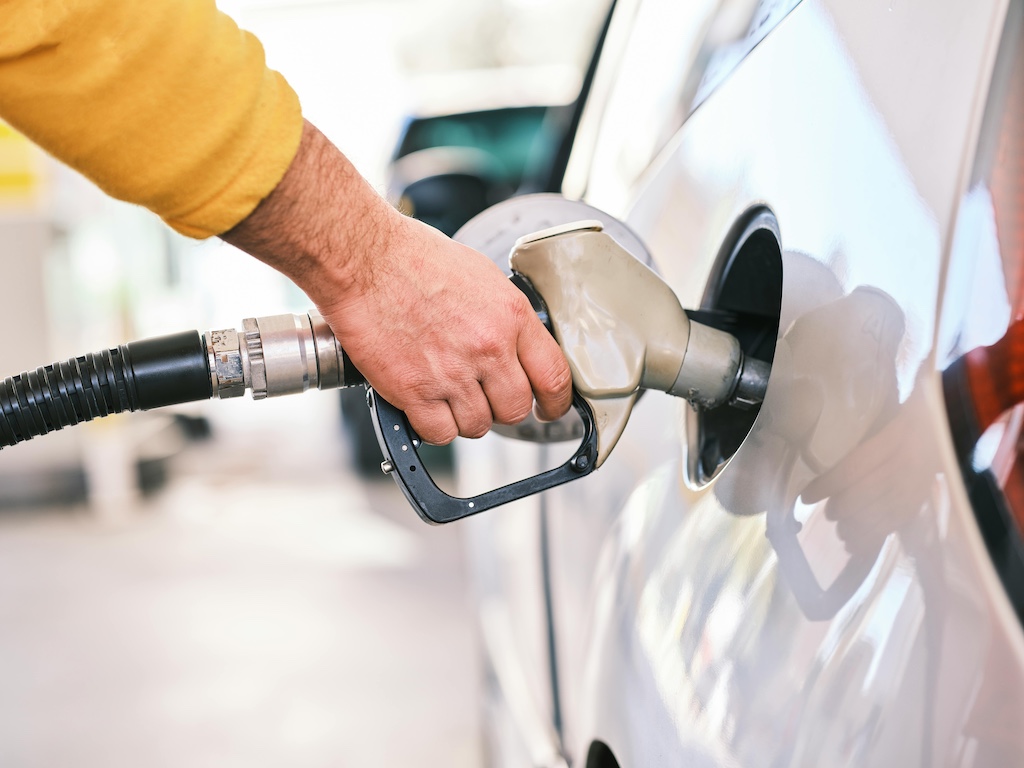
At gas stations, VOC emissions are generated from several operational activities. One of the main sources is the transfer of fuel from tanker trucks into underground storage tanks. During this process, fuel vapors can escape into the atmosphere if not properly managed. Another significant source is the refueling of vehicles, where vapors from the fuel tank can be displaced and released into the surrounding air.
In addition, natural evaporation from storage tanks and piping systems contributes to VOC emissions, especially when temperature changes increase vapor pressure. Equipment leaks, whether from valves, hoses, or connections, can further increase emissions if maintenance is not properly carried out. Without effective control measures, these vapors can accumulate in the air and increase the risk of exposure for both workers and customers.
Health Risks Associated with VOC Exposure
Exposure to VOCs can lead to a range of health effects, depending on the type of compound, concentration, and duration of exposure. In the short term, VOC exposure may cause irritation of the eyes, nose, and throat. People may also experience symptoms such as dizziness, headaches, nausea, and general discomfort. These effects are often reported by workers who spend extended periods in fueling areas.
Long-term exposure, however, presents more serious health concerns. Continuous exposure to certain VOCs, such as benzene, has been linked to respiratory problems, damage to organs like the liver and kidneys, and an increased risk of cancer. These effects may not appear immediately but can develop over time as exposure accumulates.
Gas station workers are particularly vulnerable due to their frequent and prolonged exposure. Customers are not entirely risk-free despite shorter exposure durations. Risk increases for those who frequently visit gas stations or spend time in poorly ventilated areas. This highlights the need for protective measures for both groups.
The Importance of Regulations and Vapor Control Technology
To reduce the risks associated with VOC emissions, strong regulations and effective vapor control technologies are essential. Regulations help ensure that gas station operations meet health, safety, and environmental standards, while also setting clear guidelines for emission control.
One of the most widely used technologies is the Vapor Recovery System (VRS), which is designed to capture fuel vapors before they are released into the air. This system works by redirecting vapors back into storage tanks or processing them to prevent environmental release. When properly implemented, VRS can significantly reduce VOC emissions.
Regular maintenance of equipment is equally important. Routine inspections of tanks, pipes, valves, and hoses help detect and prevent leaks that could increase emissions. In addition, proper training for workers ensures that fuel handling procedures are carried out safely and consistently.
A combination of well-enforced regulations, reliable technology, and good operational practices creates a safer working environment. It not only protects workers and customers but also contributes to better air quality and environmental sustainability.
[https://www.pexels.com/search/gas filling/]
Conclusion
VOC emissions at gas stations represent a real but manageable risk. Since these emissions come from daily operations, they cannot be completely eliminated. However, proper control measures can significantly reduce their impact.
By understanding what VOCs are, recognizing their sources, and being aware of their potential health impacts, businesses and stakeholders can take more informed actions. Implementing strong regulations, adopting appropriate technologies, and maintaining high operational standards are key steps in minimizing exposure.
Ultimately, managing VOC emissions is not just about compliance—it is about protecting people, improving environmental quality, and supporting safer and more sustainable operations in the long term.
Read other Articles: Luft Blue’s Role in Fulfilling Emission Regulations in Indonesia