




Introduction
Reducing carbon emissions has become a key priority for Indonesia as it responds to global climate change challenges. As energy demand continues to grow, the country needs solutions that not only ensure energy security but also reduce environmental impact. One of the strategies being developed is the use of biofuels, particularly through the B50 policy.
B50 refers to a fuel blend consisting of 50% biodiesel—mainly derived from palm oil—and 50% conventional diesel fuel. This policy is part of Indonesia’s broader energy transition strategy, aimed at reducing dependence on fossil fuels while lowering greenhouse gas emissions. With its strong natural resource base, Indonesia is in a good position to expand renewable energy use. However, like any large-scale policy, B50 comes with both opportunities and challenges.
B50 Mandate as an Energy Transition Strategy
The B50 mandate is a continuation of earlier biodiesel programs such as B20 and B30, which have already been implemented nationwide. By increasing the share of biodiesel in fuel, the government is gradually shifting away from pure fossil-based diesel toward a more sustainable energy mix.
Beyond environmental goals, B50 also plays an important role in strengthening energy security and the national economy. By producing biodiesel domestically, Indonesia can reduce its reliance on imported fuel, helping to improve the trade balance. At the same time, the policy supports the palm oil industry, creates jobs, and adds value within the country.
In the context of energy transition, B50 can be seen as a practical medium-term solution. While renewable energy sources like solar and wind continue to develop, biodiesel offers an immediate alternative that can be integrated into existing infrastructure without major changes.
Impact of B50 on Carbon Emission Reduction
One of the main objectives of the B50 policy is to reduce carbon emissions, especially from the transportation and industrial sectors. Biodiesel generally produces lower greenhouse gas emissions compared to fossil fuels, mainly because it is derived from renewable sources that absorb carbon dioxide during their growth phase.
By increasing the biodiesel content to 50%, the overall carbon emissions from fuel combustion are expected to decrease significantly. In addition, biodiesel tends to produce lower levels of particulate matter and sulfur, which contributes to improved air quality.
However, the actual environmental benefits depend heavily on how the raw materials are produced. If palm oil cultivation is not managed sustainably, the positive impact of biodiesel can be reduced. This is why sustainability standards and responsible practices are essential to ensure that B50 truly supports environmental goals.
Challenges in Implementing B50
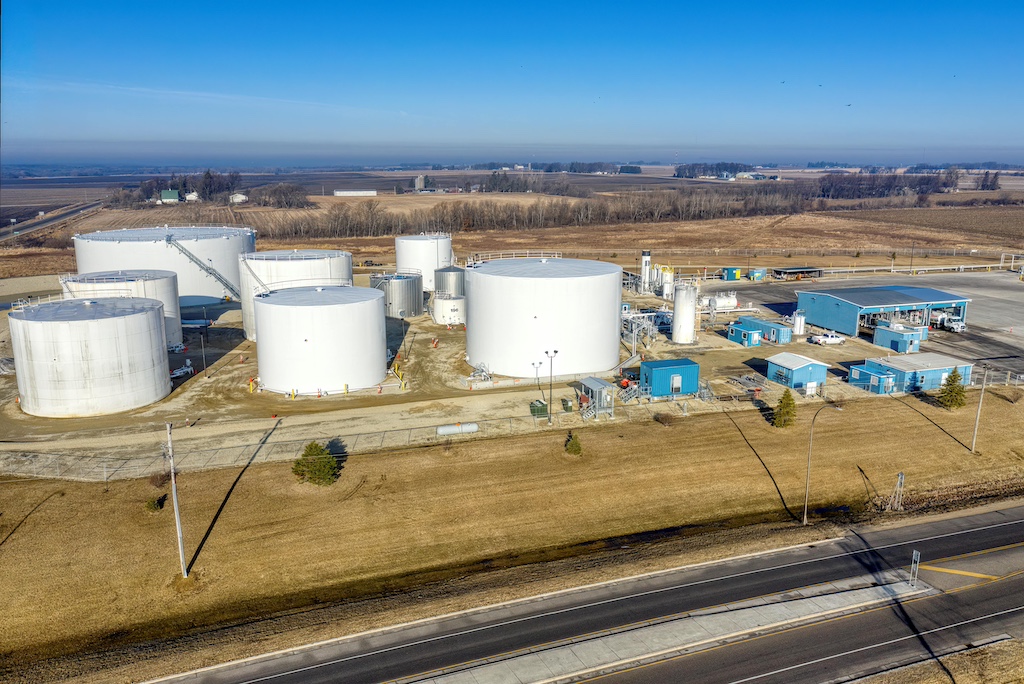
Despite its potential benefits, implementing the B50 policy comes with several challenges. One of the main concerns is infrastructure readiness, particularly in terms of fuel distribution and storage. Higher biodiesel blends require proper handling to maintain fuel quality and stability.
Technical compatibility is another issue. Not all diesel engines are designed to operate with high biodiesel content. This means adjustments, testing, and possible upgrades are needed to ensure that engines continue to perform well without increased maintenance issues.
Another challenge is the fluctuation in palm oil prices, which can affect the cost of biodiesel production. In addition, sustainability concerns and international market pressures related to palm oil production remain important factors to consider.
Successful implementation also depends on strong coordination between stakeholders, including government agencies, industry players, and the public. Without proper alignment, even well-designed policies can face difficulties in execution.
https://www.pexels.com/photo/aerial-view-of-industrial-plant-11939724/
Conclusion
Indonesia’s B50 policy represents an important step toward reducing carbon emissions while supporting the transition to cleaner energy. By utilizing domestic resources like biodiesel, the country is not only addressing environmental concerns but also strengthening its energy independence.
That said, the success of this policy depends on how well the challenges are managed. From infrastructure and technical readiness to sustainability and market dynamics, each aspect requires careful attention. With the right approach and strong collaboration, B50 has the potential to become a key pillar in Indonesia’s journey toward a more sustainable and low-carbon future.
Read other Articles: Renewable Energy Adoption Rises, Emissions Reduction Remains Suboptimal