




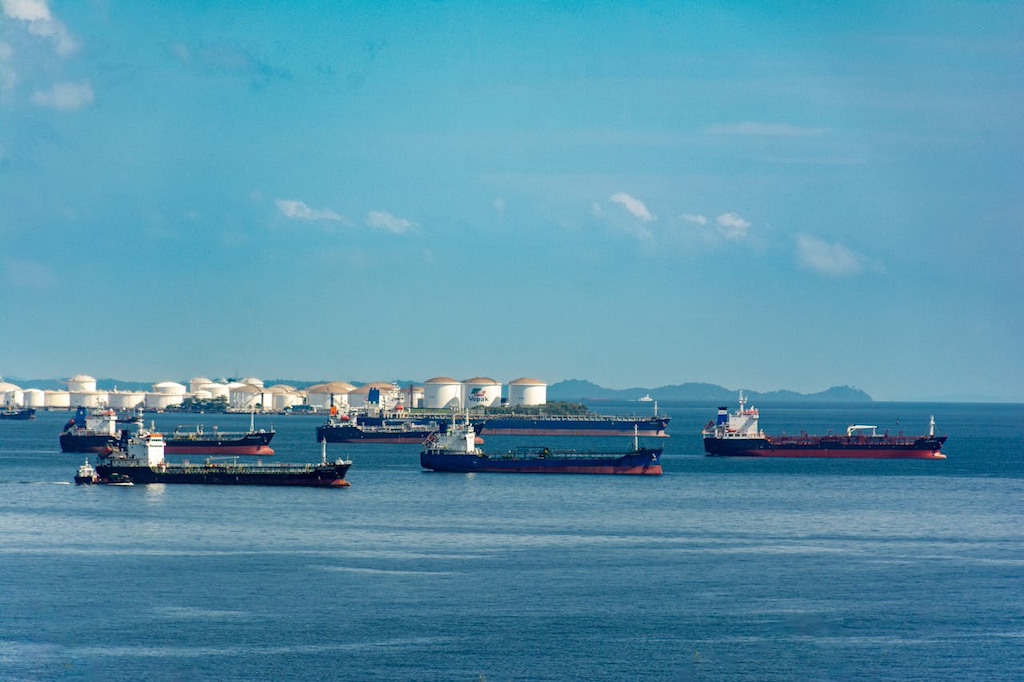
In recent years, global economic stability has become increasingly vulnerable to geopolitical dynamics, particularly those related to energy. One of the most critical factors is conflict in the Middle East, a region that plays a major role in the global oil supply. Rising tensions involving Iran and key energy shipping routes have triggered significant increases in energy prices.
The impact of rising energy prices is not limited to the energy sector alone. It extends to various industries, including manufacturing, transportation, and even household consumption. In this context, understanding the relationship between geopolitical conflict, energy distribution routes, and their impact on the global economy is essential.
The Strategic Role of the Strait of Hormuz in the Global Economy
The Strait of Hormuz is one of the most important shipping routes in the global energy system. It connects the Persian Gulf to international markets and serves as a key gateway for oil exports from major producing countries such as Saudi Arabia, Iran, Iraq, and the United Arab Emirates.
Around 20–25% of the world’s oil supply and a significant portion of liquefied natural gas (LNG) pass through this route every day. This makes it a strategic “chokepoint” in global energy trade. Any disruption in this area can have an immediate and significant impact on international energy markets.
The heavy reliance on the Strait of Hormuz makes energy-importing countries, particularly in Asia, highly vulnerable to supply disruptions. With limited alternative routes available, instability in this region can quickly trigger a global energy crisis.
The Iran Conflict and Disruptions to Energy Supply
The conflict involving Iran has caused major disruptions to global energy distribution. Military tensions, threats to shipping routes, and damage to energy infrastructure have all contributed to interruptions in the flow of oil and gas.
In recent incidents, tanker traffic through the Strait of Hormuz has dropped significantly compared to normal conditions. This disruption creates uncertainty in the energy market and increases the risk of supply shortages.
In addition, the conflict has contributed to declining global oil inventories due to disruptions in both production and distribution. This situation worsens the imbalance between supply and demand in international energy markets.
Surging Oil and Fuel Prices
Supply disruptions have a direct impact on rising crude oil and fuel prices. In times of crisis, global oil prices can increase rapidly due to market concerns about limited supply.
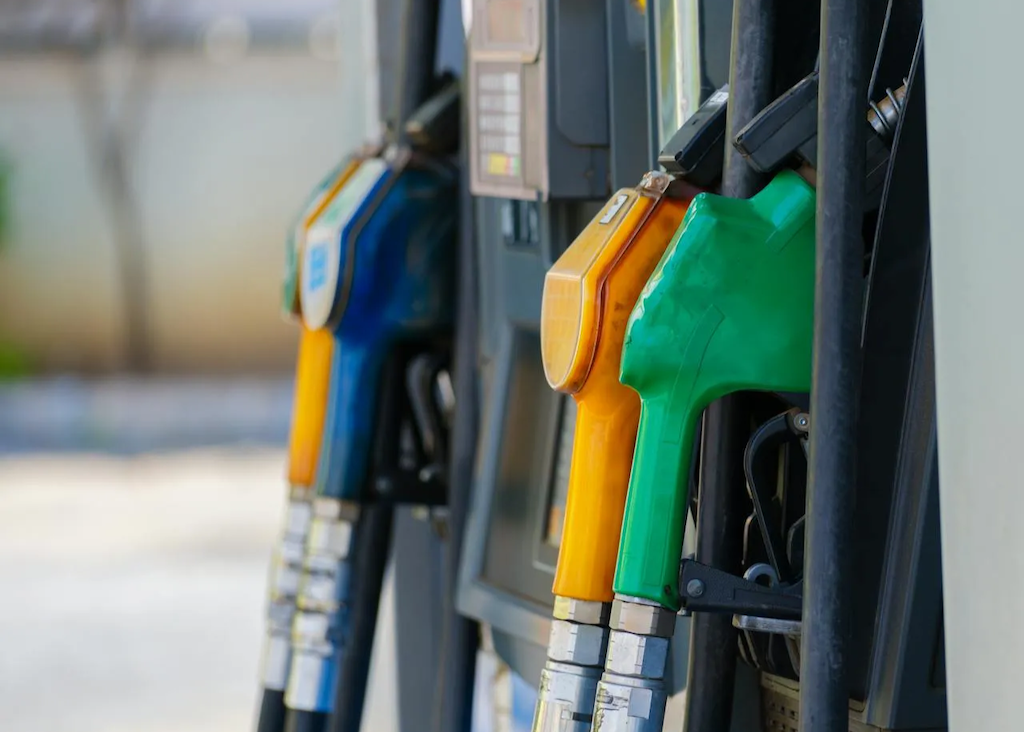
In recent months, oil prices have surged significantly as supply has been reduced by millions of barrels per day. Fuel prices in many countries have also risen, directly affecting consumers and increasing daily living costs.
Although prices may temporarily stabilize when tensions ease, ongoing uncertainty keeps energy prices relatively high. Analysts suggest that prices are unlikely to return to pre-conflict levels in the near future.
Impact on the Global Economy and Industry
Rising energy prices have widespread effects on the global economy. Energy is a key component in almost all economic activities, so higher energy costs lead to increased production expenses across industries.
Some of the main impacts include:
1. Rising Global Inflation
Higher energy prices increase transportation and production costs, which eventually drive up the prices of goods and services.
2. Pressure on Industries
Sectors such as manufacturing, logistics, and mining face higher operational costs. This can reduce profit margins and slow business expansion.
3. Supply Chain Disruptions
Energy instability can delay the distribution of goods, especially in countries that rely heavily on energy imports.
4. Risk of Economic Slowdown
For energy-importing countries, rising oil prices act like an “extra tax,” reducing consumer purchasing power and slowing economic growth.
Additionally, volatile energy prices create instability in global financial markets, affecting investment and business confidence.
https://www.pexels.com/photo/gasoline-pumps-in-close-up-photography-12377480/
Conclusion
The rise in energy prices caused by geopolitical conflicts, especially in the Strait of Hormuz, highlights how vulnerable the global economy is to disruptions in energy supply. The strategic importance of this shipping route makes it a critical point that can trigger widespread global impacts during times of tension.
The conflict involving Iran and disruptions in energy distribution clearly show that a stable energy supply is essential for global economic stability. The effects are felt not only by energy-producing and consuming countries but also across industries and society as a whole.
Looking ahead, diversifying energy sources, strengthening energy security, and accelerating the transition to renewable energy are crucial steps to reduce dependence on vulnerable supply routes. With the right strategies, the world can better manage energy shocks and maintain economic stability in the face of global uncertainty.
Read other Articles: PGN Ensures 100% Industrial Gas Supply is Restored