




The transition toward environmentally friendly transportation has become a key priority for the Indonesian government in recent years. Electric vehicles (EVs) are seen as a strategic solution to reduce carbon emissions, especially in the transportation sector, which is one of the largest contributors to air pollution.
However, entering 2026, policies related to EV tax incentives are undergoing significant changes. While the government previously offered broad fiscal incentives to accelerate EV adoption, the current approach is shifting. The new regulations focus on increasing EV usage and strengthening the domestic industry. They also aim to achieve emission targets in a more structured way.
These changes bring new dynamics that affect consumers, industry players, and the overall development of the EV ecosystem in Indonesia.
Changes in EV Tax Regulations in 2026
Starting in 2026, EV tax incentive policies have been significantly adjusted. Several major incentives that were previously available—such as exemptions from Value Added Tax (VAT) and Luxury Goods Sales Tax—are no longer applied as broadly as before.
The government is gradually reducing reliance on direct fiscal incentives and moving toward a more selective approach. Electric vehicles no longer automatically qualify for tax exemptions but are instead subject to specific incentive schemes based on updated regulations.
In addition, incentives for fully imported EVs (completely built-up/CBU) are no longer being extended. The focus is now on encouraging local production, pushing manufacturers to invest in domestic manufacturing facilities.
This shift marks a new phase in the EV industry, where the government is not only stimulating demand but also strengthening the foundation of the national automotive industry.
The Role of Local Governments in Determining Incentives
Under the new policy framework, local governments play a more significant role in determining EV tax incentives. Regional taxes such as vehicle ownership tax and transfer fees can now be adjusted by each province or region.
This means that each area has the flexibility to offer tax reductions or exemptions based on its own priorities. For example, regions with higher air pollution may offer stronger incentives to encourage EV adoption. Meanwhile, other regions may adopt gradual policies based on infrastructure readiness.
The involvement of local governments is crucial in accelerating EV adoption more evenly across the country. It also creates a competitive environment where regions can actively promote cleaner transportation solutions.
The Link Between Tax Policy, Emission Reduction, and Its Impact
EV tax policies are closely tied to the government’s broader goal of reducing carbon emissions. Fossil fuel-based transportation has long been a major contributor to greenhouse gas emissions, making the transition to EVs an important step in the national energy transition.
However, the reduction of incentives in 2026 also brings challenges. Higher vehicle prices due to reduced tax benefits may slow down adoption among consumers, particularly in price-sensitive markets.
On the other hand, policies that emphasize local content requirements and emission standards are designed to ensure that EV industry growth also benefits the domestic economy. Vehicles with higher local content are more likely to receive incentives, encouraging investment and industrial development within the country.
For industry players, these changes require adaptation in terms of technology, production strategies, and market positioning. For consumers, EV adoption remains an attractive option, but with more complex financial considerations.
Overall, the policy reflects the government’s effort to balance economic growth, environmental sustainability, and industrial development.

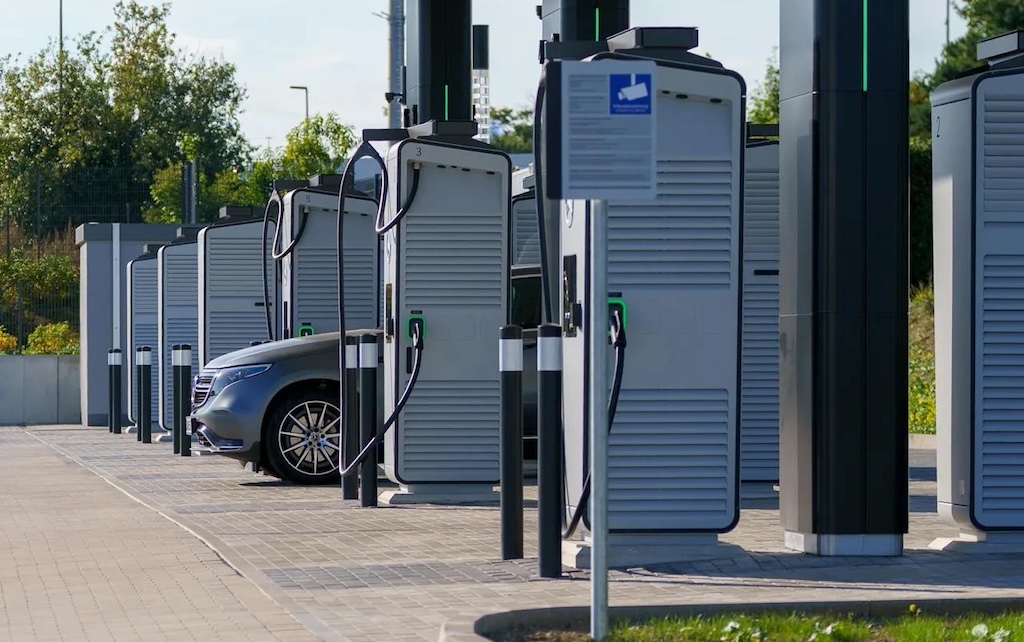
https://www.pexels.com/photo/electric-car-charging-at-station-close-up-33508511/
Conclusion
The changes in EV tax incentive policies in 2026 indicate that Indonesia is entering a new phase in developing its electric vehicle ecosystem. While earlier efforts focused on boosting adoption through generous incentives, the current strategy is shifting toward strengthening local industry and achieving long-term emission targets.
The role of local governments, the implementation of local content requirements, and the integration of tax policies with environmental goals are key factors that will determine the success of this transition. Despite challenges such as rising prices and consumer affordability, these policies have strong potential to create a more mature and competitive EV ecosystem.
Looking ahead, the success of this transformation will depend on strong collaboration between the government, industry, and society. With the right approach, electric vehicles can become the future of transportation. They can also play a crucial role in addressing global climate challenges.
Read other Articles: Coretax: A New Way to Manage Taxes Efficiently