




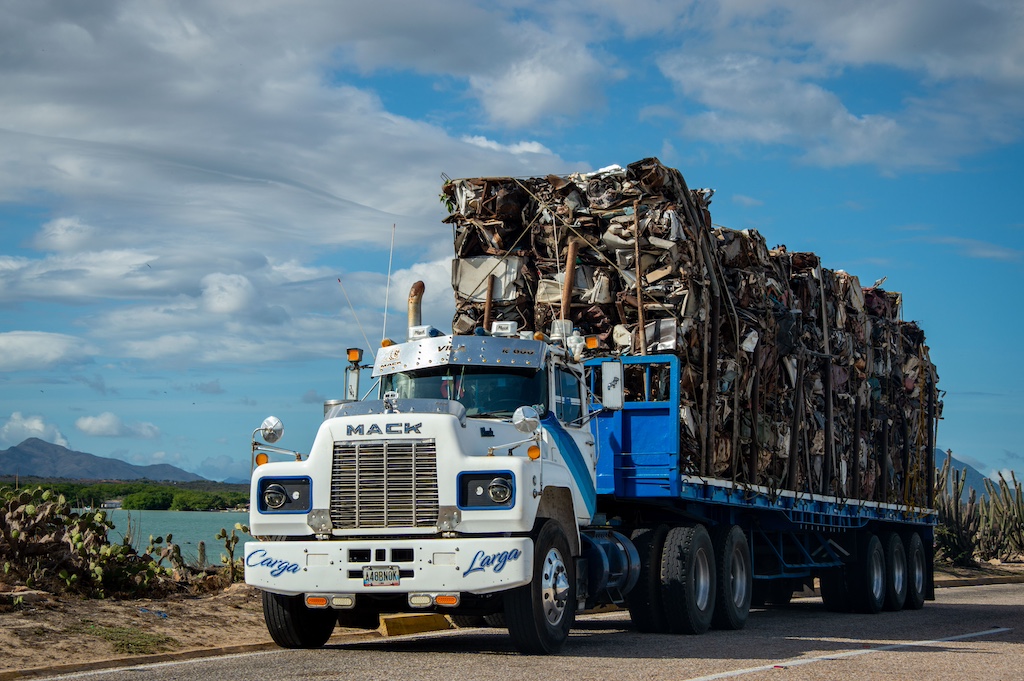
Road transportation plays a vital role in supporting goods distribution, economic growth, and industrial operations. Every day, thousands of freight vehicles connect industrial zones, ports, distribution centers, and mining sites across Indonesia. However, one long-standing challenge continues to affect the transportation sector: the operation of Over Dimension and Overloaded (ODOL) trucks.
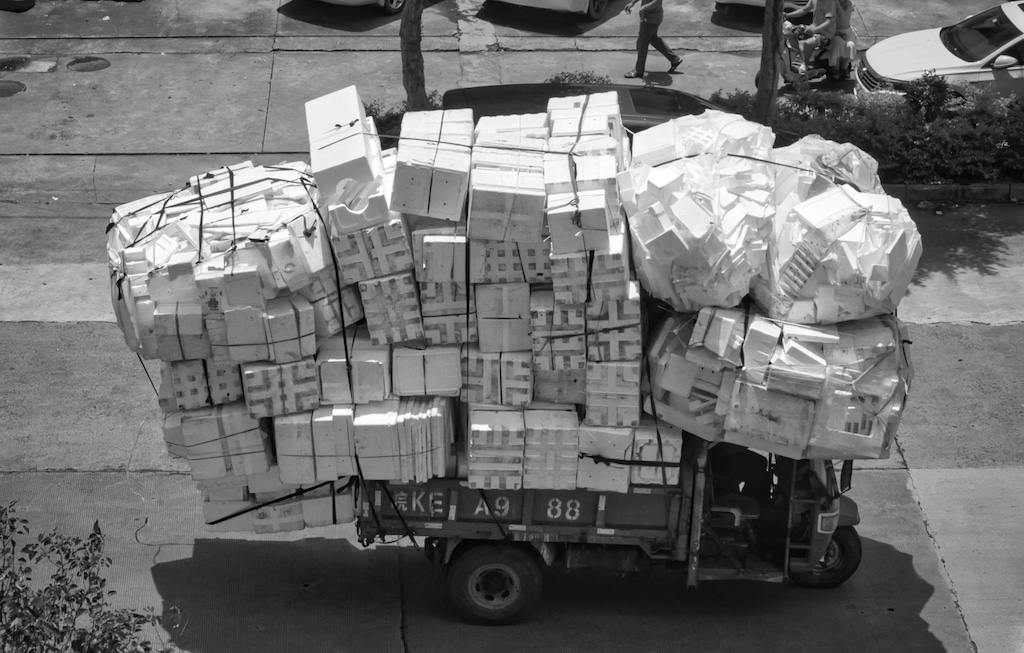
ODOL vehicles are trucks that exceed the legal size specifications or carry loads beyond their permitted capacity. Although this practice may appear to improve transportation efficiency in the short term, it creates far greater long-term consequences, including accelerated road damage, increased accident risks, and higher vehicle emissions that negatively impact the environment.
To address these issues, the Indonesian government plans to implement the Zero ODOL policy starting in 2027. This strategic initiative aims to create a safer, more efficient, and more sustainable transportation system. Beyond improving road safety, the policy also supports national efforts to reduce vehicle emissions and promote low-carbon development.
For industries that rely on diesel-powered transportation as part of their supply chains, this policy represents an opportunity to improve operational efficiency while optimizing emission control technologies to maintain productivity without compromising environmental responsibility.
ODOL Vehicles Accelerate Road Damage and Increase Carbon Footprints
One of the most visible consequences of ODOL vehicles is the accelerated deterioration of roads and transportation infrastructure. Trucks carrying excessive loads place tremendous stress on road surfaces, bridges, and supporting infrastructure, significantly shortening their service life and increasing maintenance and repair costs.
Damaged roads not only place a financial burden on infrastructure development but also reduce the efficiency of the national logistics system. Poor road conditions slow vehicle movement, increase fuel consumption, and accelerate wear and tear on vehicle components.
From an environmental perspective, these conditions also increase the carbon footprint of the transportation sector. Vehicles traveling on damaged roads or encountering construction-related delays consume more fuel and generate higher greenhouse gas emissions than under normal operating conditions.
In addition, overloaded trucks require greater engine power to move heavier cargo. Engines operating under excessive loads burn more fuel, leading to increased emissions of carbon dioxide (CO₂), nitrogen oxides (NOx), and particulate matter that contribute to air pollution.
ODOL Contributes to Traffic Congestion, Road Accidents, and Air Pollution
In addition to damaging infrastructure, ODOL vehicles significantly increase road safety risks.
Excessive loads affect vehicle stability, extend braking distances, reduce maneuverability, and increase the likelihood of failures in braking and suspension systems. These factors substantially raise the risk of traffic accidents, particularly on steep roads, sharp curves, and heavily congested highways.
ODOL trucks also tend to travel at lower speeds because of their heavy loads. The resulting speed differences between these trucks and other vehicles often create traffic congestion, disrupt the smooth flow of goods, and increase travel times.
The longer vehicles remain on the road, the more fuel they consume. Consequently, emissions of carbon dioxide (CO₂), nitrogen oxides (NOx), and particulate matter continue to rise, worsening air quality—especially in industrial areas, major logistics corridors, and densely populated urban regions.
For these reasons, reducing ODOL operations is not only a matter of improving road safety but also an important strategy for reducing air pollution and supporting environmental sustainability.
The Zero ODOL Policy Supports Both Safety and Sustainability
The implementation of the Zero ODOL policy represents a major step toward building a more efficient and sustainable freight transportation system. By ensuring that trucks operate within their approved specifications, goods can be transported more safely while reducing stress on public infrastructure.
The policy also encourages logistics providers and industrial companies to optimize fleet management, improve transportation planning, and adopt technologies that enhance operational efficiency.
From an environmental standpoint, vehicles operating within their designed capacity generally consume less fuel and produce lower emissions. This aligns with global initiatives aimed at reducing air pollution and achieving long-term carbon reduction targets.
The long-term success of the Zero ODOL policy will depend not only on regulatory enforcement but also on the commitment of all stakeholders to strengthen safety culture, comply with operational standards, and invest in cleaner transportation technologies.
Low-Emission Vehicle Technologies Are Part of the Solution
Transitioning to a more sustainable transportation system requires more than limiting vehicle loads. The adoption of low-emission technologies also plays a critical role in reducing the environmental impact of freight transportation.
Today, many modern diesel vehicles are equipped with Selective Catalytic Reduction (SCR) systems that significantly reduce nitrogen oxide (NOx) emissions. These systems perform most effectively when used with high-quality Diesel Exhaust Fluid (DEF) that meets international quality standards.
In addition, regular vehicle maintenance, the use of appropriate fuel, proper engine calibration, and data-driven fleet management all contribute to improved fuel efficiency and lower emissions.
For industrial operators, these measures not only help meet increasingly stringent environmental regulations but also improve operational reliability, extend vehicle lifespan, and reduce long-term operating costs.
https://www.pexels.com/photo/vehicle-loaded-with-boxes-in-town-12396604/
Toward a Safer and More Sustainable Transportation System
The Zero ODOL policy is part of Indonesia’s broader effort to modernize its transportation system. Beyond reducing road accidents and infrastructure damage, the policy supports a more efficient logistics network while contributing to national low-carbon development goals.
For businesses, this transition presents an opportunity to strengthen operational quality through advanced technologies, better logistics planning, and higher safety standards.
As sustainability becomes an increasingly important priority worldwide, the transportation sector is expected to play a significant role in reducing environmental impacts while maintaining industrial productivity.
Conclusion
The prohibition of Over Dimension and Overloaded (ODOL) trucks beginning in 2027 marks an important milestone in developing a transportation system that is safer, more efficient, and more sustainable. In addition to reducing road damage and traffic accidents, the policy is expected to lower fuel consumption, reduce vehicle emissions, and improve the overall efficiency of Indonesia’s logistics sector.
As environmental regulations continue to evolve and the demand for cleaner transportation grows, adopting low-emission vehicle technologies, maintaining fleets properly, and implementing effective emission control systems will become increasingly important. Through the combined efforts of government policies, technological innovation, and industry commitment, Indonesia can build a logistics system that is not only productive but also environmentally responsible and better prepared for a more sustainable future.
Read other Articles: Heavy Traffic: The Overlooked Environmental Impact