




Introduction
Indonesia is at an important turning point in its journey toward a cleaner and more sustainable energy future. On one hand, the government has set ambitious targets to reduce carbon emissions and accelerate the energy transition. On the other hand, growing industrial demand requires a stable and affordable energy supply—something that is often supported by captive coal power plants.
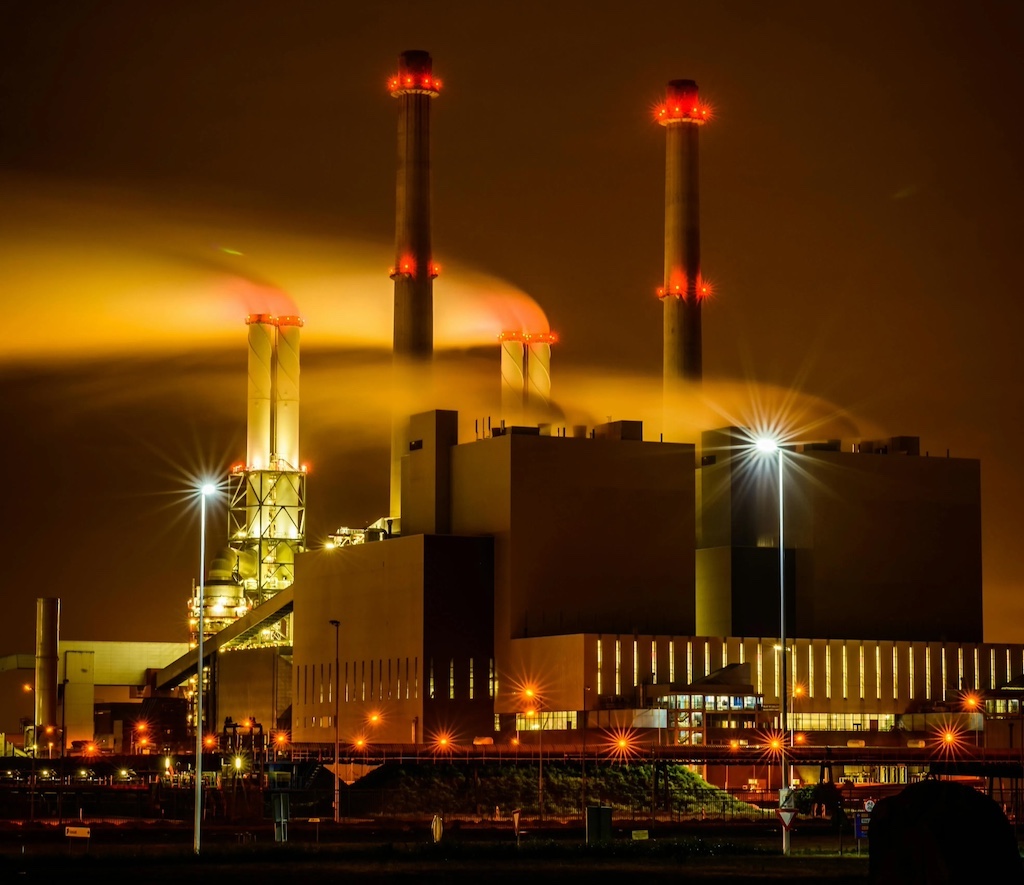
Captive coal-fired power plants are built and operated specifically to supply electricity for industrial facilities or specific companies. For many industries, they offer a reliable and cost-effective solution. However, as global attention shifts toward clean energy, the continued use of captive coal power creates a clear tension between economic needs and environmental responsibility.
Energy Transition Targets and Indonesia’s Emission Commitments
Indonesia has made strong commitments to reducing greenhouse gas emissions through national policies and international agreements. Increasing the share of renewable energy in the national energy mix is a key part of this strategy, alongside efforts to reduce dependence on fossil fuels.
The transition to cleaner energy is not just about protecting the environment—it is also closely linked to energy security and long-term economic competitiveness. Achieving these goals requires significant investment, technological development, and cooperation across sectors, including industry.
However, the reality on the ground is more complex. Industrial growth continues to drive up energy demand, making it challenging to fully shift away from conventional energy sources in the short term.
The Role and Reality of Captive Coal Power in Industry
Captive coal power plants play a major role in supporting industrial operations, especially in energy-intensive sectors such as mining, metal processing, and manufacturing. By having their own power supply, companies can ensure a consistent and reliable flow of electricity without relying entirely on the national grid.
From a business perspective, captive power plants can offer cost certainty and operational stability. This is particularly important for industries that operate continuously and cannot afford disruptions.
However, this reliability comes with environmental trade-offs. Coal-fired power plants are a significant source of carbon emissions. As more captive plants are developed, their cumulative impact could make it harder for Indonesia to meet its emission reduction targets and transition toward cleaner energy.
Conflicting Interests in Energy Policy
The presence of captive coal power highlights a broader conflict within energy policy. On one side, there is a strong push to support industrial growth and attract investment. On the other hand, there is increasing pressure to reduce emissions and move toward renewable energy.
This tension is sometimes reflected in policies that are not fully aligned. For example, while there may be restrictions on building new coal power plants for public electricity supply, exceptions are often made for captive power plants serving industrial needs. This raises questions about policy consistency and the overall direction of the country’s energy strategy.
In addition, global market expectations are shifting. Many countries and international buyers are placing greater emphasis on sustainability. Continued reliance on coal-based energy could affect the competitiveness of Indonesian products in global markets.
https://www.pexels.com/photo/high-voltage-transformers-at-austrian-power-plant-28912007/
Impact on the Future of Clean Energy
The balance between clean energy ambitions and the continued use of captive coal power will play a key role in shaping Indonesia’s energy future. If not managed carefully, reliance on coal could slow down the transition and increase environmental risks over time.
At the same time, this situation can also create opportunities for innovation. Developing cleaner and more efficient energy solutions could help bridge the gap between industrial needs and environmental goals. There is also room for more integrated and consistent policies that support both economic growth and sustainability.
The role of government, industry, and other stakeholders will be critical in finding this balance. Strong collaboration and long-term planning will be needed to ensure that progress in one area does not come at the expense of another.
Conclusion
Indonesia’s ambition to transition toward clean energy is a necessary and important step in addressing climate change. However, the continued use of captive coal power plants reflects the real challenges of balancing economic growth with environmental responsibility.
Finding the right path forward will require thoughtful policies, technological innovation, and close cooperation between all stakeholders. With the right approach, Indonesia has the potential to support industrial development while still moving steadily toward a cleaner and more sustainable energy future.
Read other Articles: Increasing Collaboration, Indonesia-Finland Encourage Clean Energy Innovation Towards Net Zero Emissions