




The global transition toward clean energy has led to a significant surge in the adoption of electric vehicles (EVs) and battery technologies. On one hand, these innovations are widely regarded as practical solutions to reduce dependence on fossil fuels and cut greenhouse gas emissions. On the other hand, the rise of electric vehicles presents new dilemmas related to environmental impact and natural resource sustainability.
The growing demand for essential minerals such as lithium, cobalt, nickel, and copper — key components in EV batteries — has intensified pressure on global mining activities. This heightened demand brings complex environmental and social consequences. Furthermore, battery waste and recycling challenges are emerging as critical issues that remain far from fully resolved.
This article explores the broader footprint of green technology, from mining pressures and emerging environmental concerns to the long-term challenges of battery waste management in the electric vehicle era.
Pressure on Global Mining Activities
The shift from internal combustion engines to electric vehicles has triggered unprecedented demand for base metals used in battery production. Materials such as lithium, cobalt, nickel, and copper have become strategic commodities in the global EV supply chain.
- Lithium serves as the core material in lithium-ion batteries, the primary energy storage system for electric vehicles. Its availability directly influences manufacturers’ ability to meet production targets.
- Cobalt and Nickel enhance battery stability and energy density, enabling longer driving ranges and improved performance.
- Copper plays a vital role in electrical systems within EVs and charging infrastructure due to its superior conductivity.
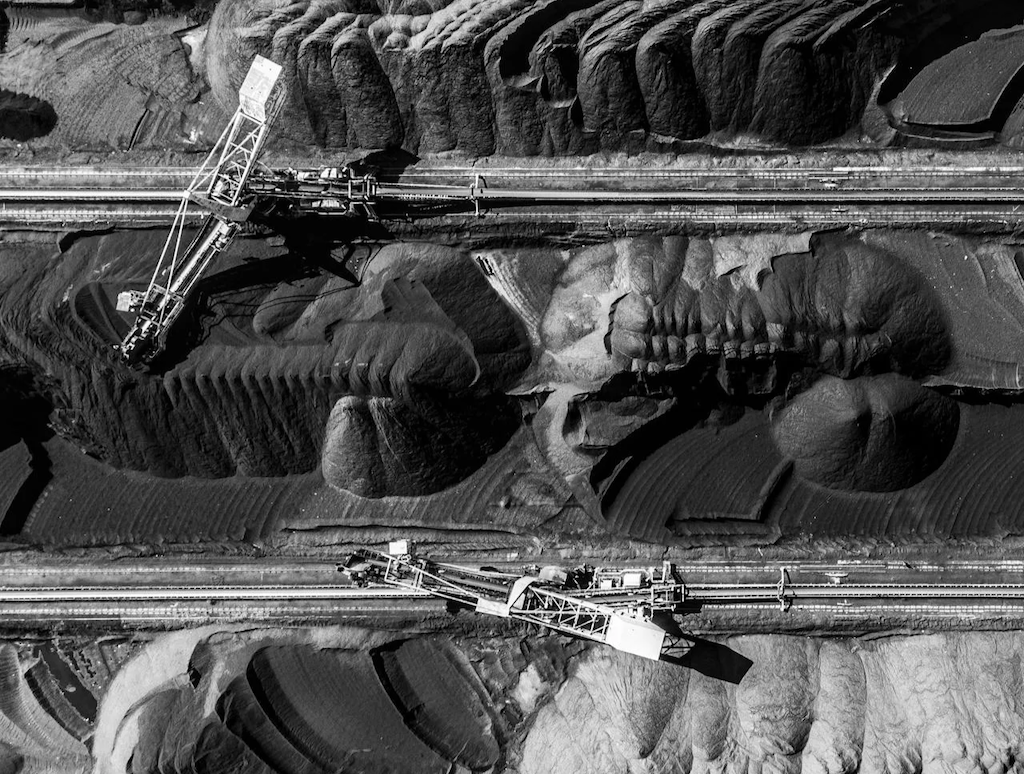
The sharp increase in demand has expanded mining operations across mineral-rich regions worldwide. Many producing countries are competing to attract investment in the mining sector to boost economic growth. However, behind this expansion lies a complex web of environmental and social challenges that cannot be overlooked.
Emerging Environmental Issues in the Green Technology Era
Although electric vehicles are promoted as environmentally friendly alternatives, their lifecycle impacts reveal a more complicated reality. The sustainability of EV batteries is closely tied to how raw materials are extracted and processed — activities that may carry significant ecological risks.
Local Ecosystem Degradation
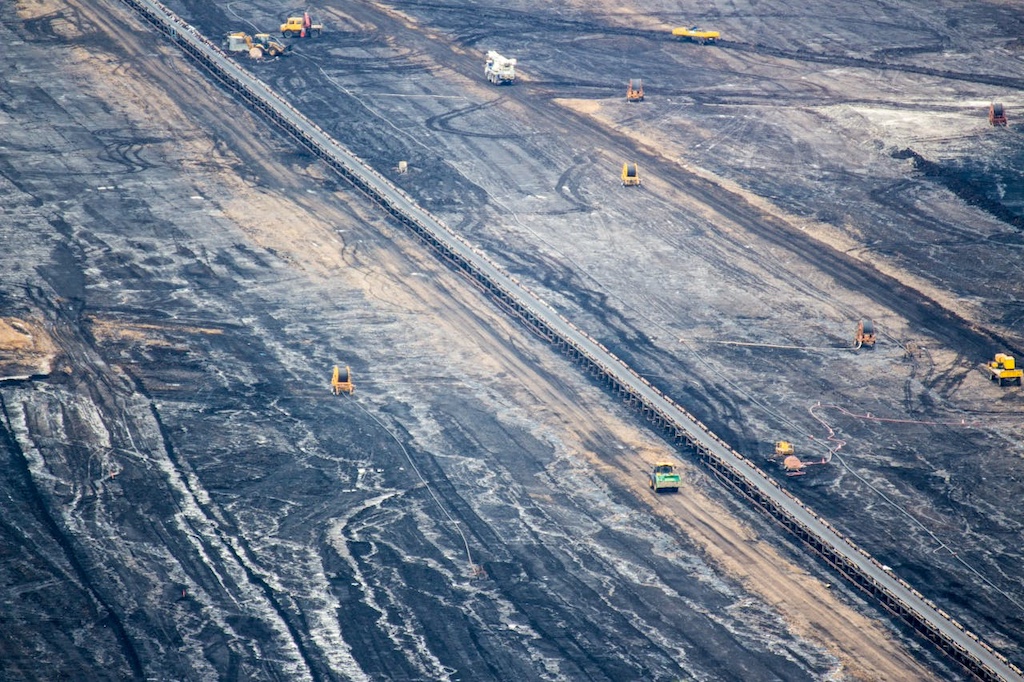
Mineral extraction often occurs in ecologically sensitive areas rich in biodiversity. Poorly managed mining operations can damage habitats, degrade soil quality, and disrupt local ecosystems on a large scale.
Water Pollution
The extraction and processing of minerals may generate waste materials that contaminate nearby water sources. Chemical residues and mining tailings can threaten aquatic ecosystems and affect the health of local communities.
Social Impacts
Intensive mining activities may also create social tensions, particularly in regions inhabited by indigenous peoples or communities dependent on natural resources. These conflicts highlight the ethical dilemma of promoting clean energy technologies that may simultaneously contribute to environmental and social challenges elsewhere.
[https://www.pexels.com/photo/aerial-view-of-large-empty-construction-site-6851359/]
Battery Recycling and Waste Management Challenges
Beyond extraction and production, electric vehicle batteries present significant challenges at the end of their lifecycle. Once batteries reach the end of their usable life, proper disposal and recycling become critical concerns.
Growing Waste Volume
As EV adoption accelerates globally, the number of retired batteries will increase substantially. Without effective management systems, used batteries may become hazardous waste due to their heavy metal content and chemical components.
Limited Recycling Technology
Although battery recycling technologies can recover valuable metals, large-scale implementation remains limited. The recycling process is often complex, costly, and not yet widely accessible in many regions.
Regulatory and Infrastructure Gaps
Many countries still lack comprehensive regulations and infrastructure for environmentally sound battery waste management. Without strong policy frameworks and collection systems, the rapid growth of EV adoption could generate new environmental burdens in the future.
Conclusion
The era of electric vehicles and battery technology offers tremendous potential for reducing greenhouse gas emissions and advancing the clean energy transition. Electric vehicles represent a promising alternative to fossil fuel-based transportation and are reshaping the global automotive industry.
However, the path toward a truly sustainable future is not without challenges. Intensified mining activities, emerging environmental issues, and battery recycling and waste management obstacles demonstrate that the clean energy transition requires a more holistic and responsible approach.
To ensure genuine sustainability, several priorities must be addressed:
- Improving environmentally responsible mining practices
- Advancing efficient and scalable battery recycling technologies
- Strengthening producer responsibility policies
- Enhancing international cooperation on environmental standards
With comprehensive and balanced strategies, the dilemmas surrounding green technology can be mitigated. Only then can electric vehicles become not merely a symbol of clean energy, but a truly sustainable and responsible solution for the planet’s future.
Read other Articles: Recognizing Clean Energy Sources: Government Strategies to Reduce Emissions