




Introduction
Forest and land fires are one of the causes of rising carbon emissions, affecting the environment and contributing to climate change. Burning vegetation and peatlands release carbon dioxide (CO₂) and various pollutants into the atmosphere. The impacts include not only ecosystem damage but also declining air quality and health problems.
Dry weather, El Niño, and human activities can increase the risk of fires in several parts of Indonesia. Therefore, monitoring, prevention, and fire control are essential to reducing emissions and protecting the environment.
1. Rising Carbon Emissions from Forest Fires
Forest and land fires release carbon stored in vegetation, trees, and organic soil materials. When peatlands burn, emissions can increase significantly because the fire consumes organic layers that store large amounts of carbon. The larger the burned area and the deeper the fire spreads, the greater the potential emissions released into the atmosphere.
In September 2026, emissions from fires in Indonesia increased sharply. Data reported by the Copernicus Atmosphere Monitoring Service showed that emissions from Indonesian fires reached approximately 19.7 million metric tons between September 1 and 7, 2026. Dry and hot conditions also increased the risk of fires in several areas, including Kalimantan and Sumatra.
This rise in emissions shows that forest fires are not just a local problem but also a major challenge in reducing greenhouse gas emissions. Carbon dioxide released into the atmosphere contributes to global warming, while forest destruction reduces the ability of ecosystems to absorb carbon.
Therefore, fire prevention, forest protection, and land restoration should be part of carbon emission reduction strategies. These efforts should also be supported by energy efficiency and emission control measures in the transportation and industrial sectors.
2. The Impact of Fires on Air Quality
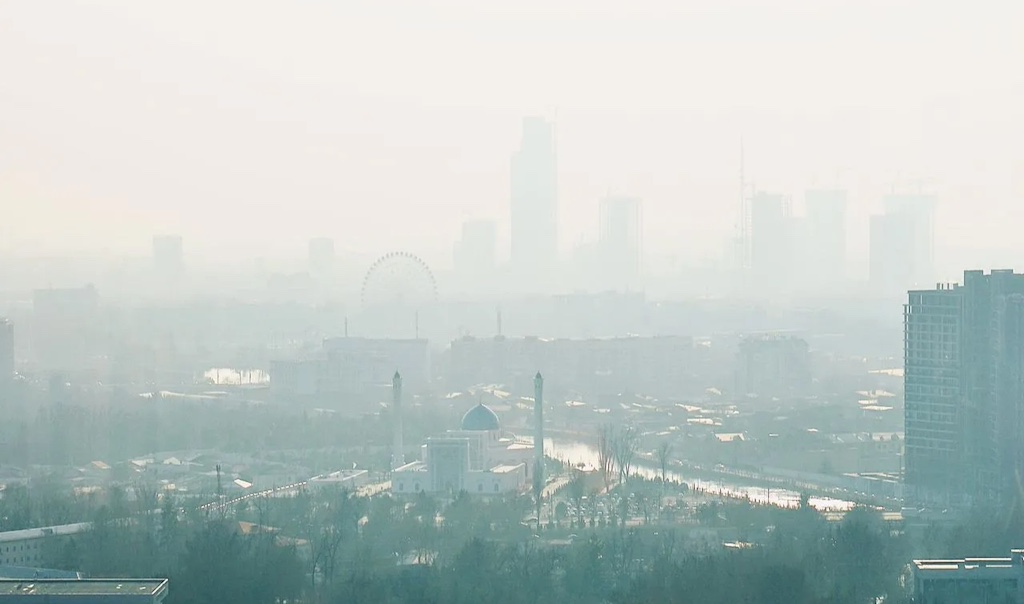
In addition to releasing carbon emissions, forest and land fires produce fine particles, carbon monoxide, and other compounds that pollute the air. One pollutant of particular concern is PM2.5, which consists of very small particles that can travel deep into the respiratory system.
Exposure to haze can cause eye irritation, coughing, and breathing problems. Children, older adults, and people with certain health conditions face a higher risk. Smoke can also travel with the wind, affecting air quality in areas far from the fire, including neighboring countries.
Meanwhile, vehicle and industrial engine emissions also affect air quality. Diesel engines, for example, produce exhaust gases through fuel combustion. Regular engine maintenance, efficient fuel use, and appropriate emission control technologies are therefore important for reducing air pollution.
One such technology is Selective Catalytic Reduction (SCR), which uses Diesel Exhaust Fluid (DEF) to help reduce nitrogen oxide (NOx) emissions in engines equipped with this system. This technology supports emission control in diesel engines, but it does not replace fire prevention or measures to address haze from forest and land fires.
3. Challenges in Monitoring and Controlling Fires
Controlling forest and land fires presents several challenges, including the large size of fire-prone areas and difficulties in reaching certain locations. Peatland fires are particularly challenging because flames can spread beneath the ground and may not be visible during direct observation.
Satellite monitoring, hotspot detection, weather information, and field inspections can help identify potential fires at an early stage. However, hotspots must be verified because they do not always indicate an active fire. Underground fires can also be difficult to detect, making continuous monitoring essential.
The government, land managers, and local communities need to work together to prevent fires through monitoring high-risk areas, preparing firefighting equipment, promoting land-clearing methods that do not involve burning, and enforcing relevant laws. When a fire occurs, a rapid response is necessary to limit its spread and reduce the resulting emissions.
Beyond firefighting, ecosystem restoration and proper peatland water management are important for preventing recurring fires. These efforts should be supported by air quality monitoring and clear public information to help minimize health risks.
https://www.pexels.com/photo/skyline-view-of-nanjing-city-china-33921375/
Conclusion
The threat of carbon emissions from forest and land fires highlights the importance of ecosystem protection in addressing climate change. Fires not only release greenhouse gases but also produce pollutants that reduce air quality and threaten public health.
Prevention, early detection, rapid response, and land restoration must be carried out consistently to reduce fire risks. Meanwhile, managing emissions from transportation and industry through energy efficiency and appropriate emission control technologies can complement broader efforts to protect air quality.
Through collaboration among the government, businesses, and communities, the impacts of forest and land fires can be reduced. These efforts are essential to protecting the environment, lowering carbon emissions, and supporting more sustainable development.
Read other Articles: U.S. EPA Repeals Emissions Rules: What Does It Mean for the Environment?