




Introduction
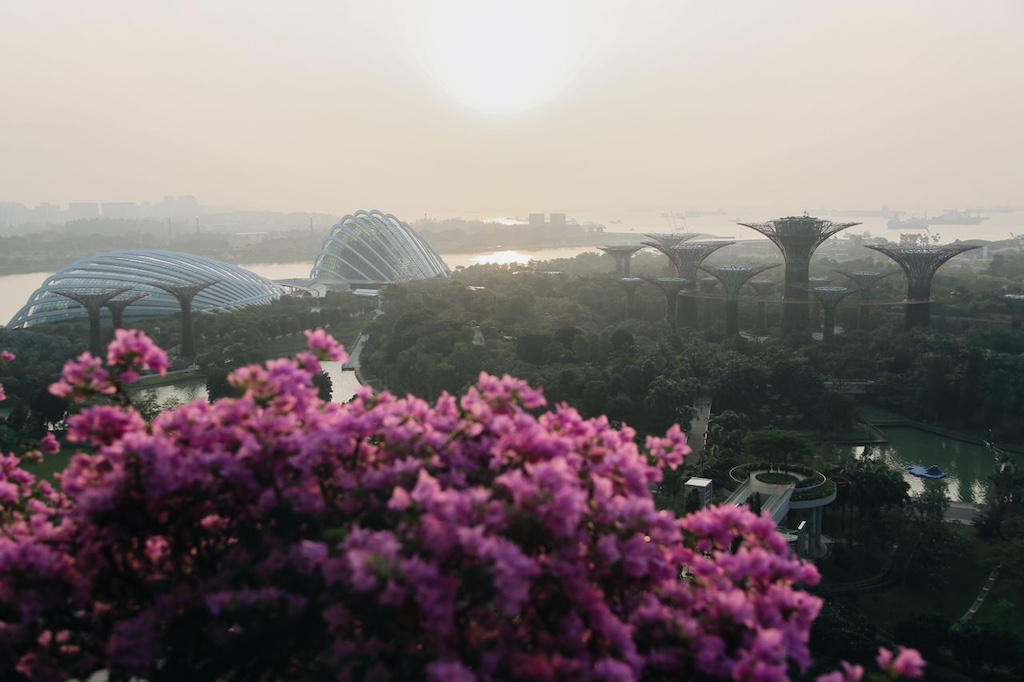
Air quality in Singapore worsened ahead of the Formula 1 (F1) Grand Prix due to haze from forest and land fires in Indonesia. This situation raised concerns because air pollution can affect public health, outdoor activities, and the organization of major international events.
On October 9, 2026, Singapore ranked as the major city with the worst air quality in the world, according to IQAir monitoring. Its Air Quality Index (AQI) reached 216, which falls into the very unhealthy category. The effects of forest fires can extend beyond the areas where fires occur. Smoke can travel across national borders due to atmospheric conditions. The haze highlights the close links between forest fires, air pollution, and carbon emissions. It also emphasizes the need for sustainable environmental management.
1. Singapore Records the World’s Worst Air Quality Among Major Cities, According to IQAir
Singapore’s declining air quality was affected by transboundary haze from forest and land fires, including fires in peatland areas in Indonesia. Dry weather and wind direction can carry pollutants into other regions, reducing air quality even when the fires occur outside Singapore.
According to IQAir monitoring on October 9, 2026, Singapore’s Air Quality Index reached 216. This indicated very unhealthy air conditions that could increase health risks for the public. However, air quality can change depending on weather conditions, wind direction, and the intensity of fires in the affected areas.
Forest and land fires also release carbon dioxide (CO₂) and other pollutants. Peatland fires are a particular concern because they can release carbon stored in organic soil materials. In addition to contributing to climate change, these fires produce fine particles that can travel with the wind and worsen regional air quality.
This situation highlights the importance of fire prevention, hotspot monitoring, and international cooperation to reduce air pollution. Controlling emissions from the transportation and industrial sectors is also necessary as part of broader efforts to protect air quality.
2. The Impact of Haze on Public Health
Haze contains various pollutants, including PM2.5, which consists of very small particles that can travel deep into the respiratory system. Exposure to these particles can cause eye and throat irritation, coughing, and worsening respiratory or heart conditions.
Children, older adults, pregnant women, and people with chronic illnesses are among those who need to be especially careful when air quality deteriorates. Health risks also depend on pollution levels, exposure duration, and the intensity of outdoor activities.
People should monitor local air quality updates and limit strenuous outdoor activities when pollution levels are high. They should also follow relevant health recommendations. Masks designed to filter fine particles may also help reduce exposure, depending on the pollution level and local health guidance.
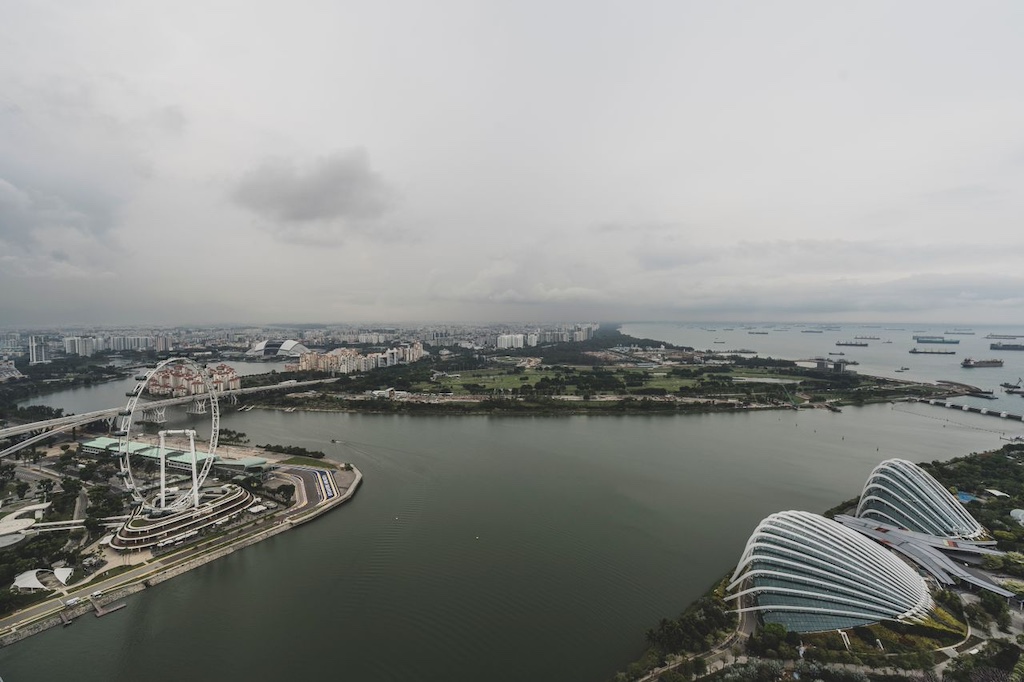
Haze can also disrupt daily activities, including outdoor work and economic activities that require people to spend time outside. Therefore, air quality monitoring and accurate public information are important in helping people take appropriate protective measures.
https://www.pexels.com/photo/city-and-river-under-overcast-sky-15989831/
3. The Impact of Haze on the F1 Grand Prix
The haze affecting Singapore ahead of the F1 Grand Prix raised concerns about the health of spectators, drivers, officials, and event staff. As an outdoor sporting event, the Grand Prix requires organizers to be prepared for changing environmental conditions.
Ahead of the race scheduled for October 9–11, 2026, the international motorsport governing body, FIA, stated that the haze could lead to restrictions on entertainment and certain outdoor activities. However, the F1 race itself was still expected to proceed as scheduled at that time. Organizers and relevant authorities also prepared contingency measures based on changes in air quality.
Air quality monitoring is an important part of event risk management. Pollution data can help organizers determine whether additional medical services, face masks, or adjustments to supporting activities are needed if conditions worsen. These measures help protect visitors and reduce the risk of disruptions during the event.
Beyond its direct impact on the race, the haze highlights the connection between environmental quality and major economic activities. International events require a safe and comfortable environment for visitors, while air pollution can increase the need for preventive measures and affect the overall visitor experience.
This situation reinforces the importance of controlling pollution at its source. In addition to preventing forest and land fires, reducing emissions from transportation and industry can support better air quality. Regular engine maintenance, efficient fuel use, and emission control technologies that meet engine specifications are some of the measures that can help reduce pollution from operational activities.
One technology used in certain diesel engines is Selective Catalytic Reduction (SCR), which uses Diesel Exhaust Fluid (DEF) to help reduce nitrogen oxide (NOx) emissions. This technology helps control exhaust emissions, but it does not directly eliminate particles from wildfire haze. Therefore, each source of pollution requires an appropriate control approach.
Conclusion
The decline in Singapore’s air quality ahead of the F1 Grand Prix shows that the effects of forest and land fires can cross national borders and affect public health as well as international events. High pollution levels highlight that haze is more than a visibility issue. It is also a serious environmental concern that requires effective action.
Fire prevention, air quality monitoring, and cross-border cooperation must be strengthened to reduce the effects of pollution. At the same time, energy efficiency and appropriate emission control technologies can help reduce pollutants from the transportation and industrial sectors.
Through collaboration among governments, businesses, and communities, air quality can be protected more effectively. These efforts are essential to safeguarding public health, reducing environmental damage, and supporting sustainable economic activities in the future.
Read other Articles: Widespread Haze from Forest Fires Raises Environmental Concerns