




Introduction
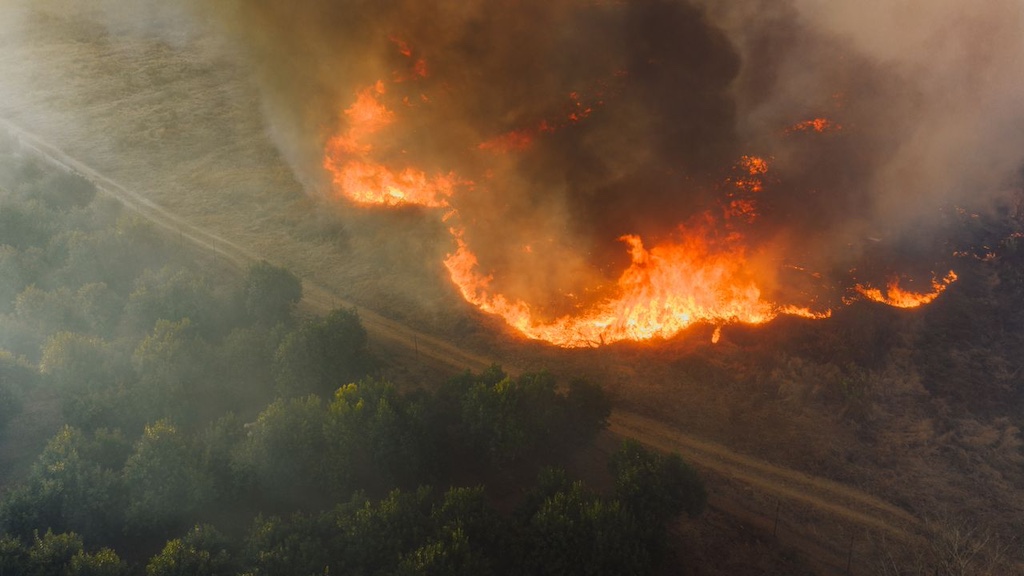
Forest and land fires remain one of Indonesia’s major environmental challenges. In addition to damaging ecosystems, these fires produce haze that can spread across different regions and reduce air quality. The impacts include health problems, transportation disruptions, economic losses, and increased greenhouse gas emissions.
The risk of forest and land fires can rise when rainfall decreases and land becomes dry, including during El Niño events that affect weather patterns in Indonesia. Therefore, fire prevention, rapid response, and emission control are essential to protecting the environment and supporting sustainability.
1. Rising Forest and Land Fire Risks in Indonesia
Forest and land fires can be triggered by dry weather, easily flammable vegetation, and human activities such as clearing land by burning. These risks become more serious when land management and monitoring are inadequate.
Peatlands require special attention because their organic material can burn beneath the ground. These fires are more difficult to detect and extinguish, allowing them to continue for longer periods and produce large amounts of smoke.
The impacts of forest and land fires go beyond vegetation loss and wildlife habitat destruction. Fires also release carbon dioxide (CO₂) into the atmosphere. Peatland fires can release carbon that has been stored in organic soil layers for long periods. This makes forest fires a serious issue for ecosystem protection and efforts to reduce carbon emissions.
2. How El Niño Increases Fire Risks
El Niño is a climate phenomenon that can affect rainfall patterns in Indonesia. In some regions, it can extend dry periods and reduce water availability, making soil, peatlands, and vegetation more vulnerable to fire.
When land becomes dry, fallen leaves and branches can act as fuel for fires. If a fire starts, it may spread more quickly, especially when wind conditions support its movement. In peatlands, reduced moisture also increases the risk of underground fires, which are particularly difficult to control.
However, El Niño is not the only cause of forest and land fires. Human activities, land conditions, and the effectiveness of prevention measures also influence fire risks. Therefore, weather monitoring, early hotspot detection, proper water management in peatlands, and education on land-clearing methods that do not involve burning should be strengthened before the dry season begins.
3. Government Efforts to Control Forest and Land Fires
Controlling forest and land fires requires cooperation between the central government, local authorities, field teams, land managers, and communities. Prevention measures include monitoring hotspots, supervising fire-prone areas, preparing firefighting equipment, and educating the public about the dangers of land burning.
Remote sensing technology and weather information can help identify areas at risk of fire. However, hotspot detections still need to be verified to confirm actual conditions on the ground and determine the appropriate response. When a fire is detected, a rapid response is essential to prevent it from spreading, especially in peatland areas.
In addition to firefighting, enforcing the law against proven violations that cause fires and restoring damaged ecosystems are important parts of long-term fire management. Peatland water management and vegetation restoration are also necessary to reduce the risk of recurring fires.
Forest fire prevention also supports efforts to reduce greenhouse gas emissions. In the transportation and industrial sectors, energy efficiency, regular engine maintenance, and the use of appropriate emission control technologies can complement broader environmental protection efforts. However, these measures cannot replace direct efforts to prevent and control fires.
4. The Impact of Haze on Regional Air Quality
Haze from forest and land fires contains various pollutants, including fine particulate matter known as PM2.5, which can travel deep into the respiratory system. Exposure to smoke may cause eye and throat irritation, trigger coughing, and worsen respiratory conditions. Children, older adults, and people with certain health conditions are particularly vulnerable.
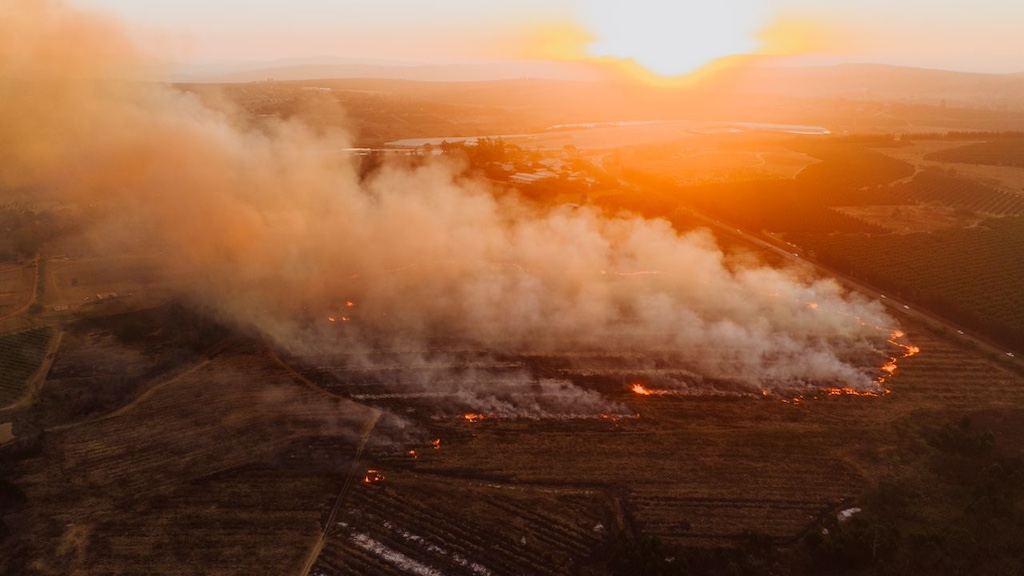
Smoke dispersion depends on wind direction, atmospheric conditions, and the intensity of the fires. Under certain conditions, pollutants can travel to other regions and even cross national borders. As a result, declining air quality is not always limited to areas directly affected by fires.
Haze can also reduce visibility and disrupt transportation, goods distribution, and economic activities. Air quality monitoring is important to help people adjust their activities according to pollution levels and follow relevant health recommendations.
Meanwhile, emissions from vehicles and industrial machinery also need to be managed to support better air quality. Diesel engines produce emissions through fuel combustion, while the amount of pollution depends on engine condition, workload, and the technology being used.
One emission control technology is Selective Catalytic Reduction (SCR), which uses Diesel Exhaust Fluid (DEF) to help reduce nitrogen oxide (NOx) emissions in engines equipped with this system. This technology is part of vehicle and machinery emission management, not a solution for eliminating haze caused by forest fires. Therefore, air pollution control requires different approaches tailored to each pollution source.
https://www.pexels.com/photo/aerial-view-of-wildfire-at-sunset-in-mpumalanga-33622183/
Conclusion
The spread of haze from forest and land fires shows that these fires are not only a cause of vegetation loss but also a major concern for public health, air quality, and carbon emissions. El Niño can increase fire risks by creating drier conditions, while human activities and land management also influence how vulnerable an area is to fire.
Prevention, early detection, rapid firefighting, and ecosystem restoration must be carried out consistently to reduce the impacts of forest and land fires. At the same time, energy efficiency and the use of appropriate emission control technologies can help improve air quality by addressing other sources of pollution.
Through collaboration among the government, businesses, and communities, fire risks and the impacts of haze can be reduced. These efforts are essential to protecting the environment and supporting more sustainable development.
Read other Articles: Global Climate Is Changing, Disrupting the Connection Between Two Oceans