




Introduction
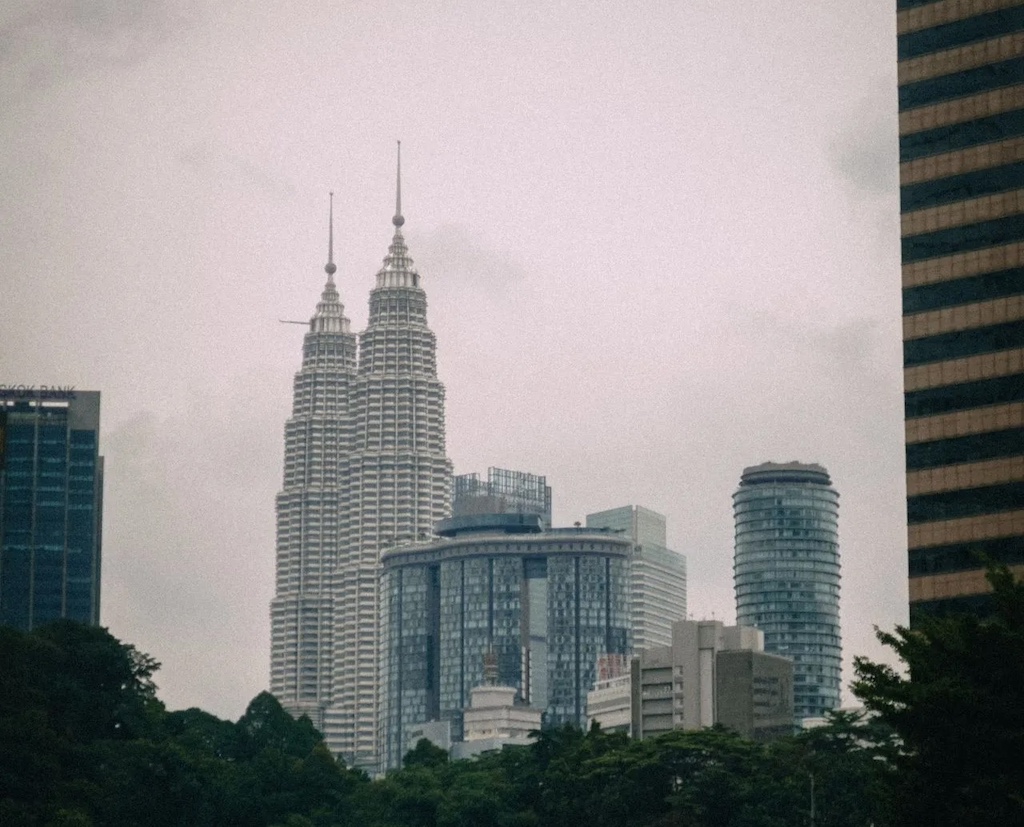
Haze caused by forest and land fires has once again become a major concern in Southeast Asia. Its impact is not limited to areas where fires occur. Smoke can also spread to neighboring countries, including Malaysia. This shows that forest and land fires are not only local problems but also cross-border environmental issues that require joint action.
In addition to reducing visibility and disrupting daily activities, haze increases the risk of health problems and worsens air quality. Forest and land fires also release carbon dioxide and other pollutants into the atmosphere. Therefore, preventing fires, monitoring air quality, and reducing emissions are important steps in protecting the environment across Southeast Asia.
1. Haze from Indonesia Spreads to Malaysia
Haze from forest and land fires in Indonesia can be carried by the wind to Malaysia and other parts of Southeast Asia. The movement of smoke depends on wind direction, atmospheric conditions, the scale of the fires, and the length of the dry season. When fires spread across large areas and continue for a long time, air pollutants can travel across national borders.
Cross-border haze is a regional challenge because its effects are not limited to the areas where the fires begin. Affected countries may experience poorer air quality, reduced visibility, and disruptions to transportation and daily activities. Addressing this problem requires cooperation between the countries where the fires occur and those affected by the smoke.
Major haze events in Southeast Asia are often compared with the severe crisis in 2015, which was one of the region’s worst haze episodes. However, describing the current situation as the worst crisis since 2015 requires recent data on the size of the fires, pollutant levels, and affected areas. Such comparisons are important to ensure that the severity of the situation is assessed accurately.
2. Increase in Health Problems Caused by Air Pollution
Exposure to haze can cause various health problems, especially when levels of fine particles in the air increase. Smoke from fires contains particulate matter such as PM2.5, which consists of very small particles that can travel deep into the respiratory system. High exposure levels may cause eye and throat irritation, coughing, and shortness of breath. They can also worsen asthma and other lung conditions.
More vulnerable groups include children, older adults, pregnant women, and people with heart or respiratory diseases. The risks may also increase for workers who spend long periods outdoors. For this reason, air quality monitoring should be supported by appropriate protective measures based on pollution levels in each area.
When air quality worsens, people are advised to reduce strenuous outdoor activities, use suitable masks when necessary, and maintain good indoor air quality. Schools, workplaces, and outdoor event organizers should also consider air conditions before continuing their activities. Guidance from health and environmental authorities should be used to determine the right preventive measures.
The effects of haze can also extend to the economy. Health problems may increase the demand for medical services, while reduced visibility can disrupt transportation and business activities. Therefore, air pollution caused by forest and land fires is not only an environmental issue but also a concern for public safety and everyday life.
3. Widespread Forest and Land Fires Are Difficult to Extinguish
Forest and land fires can spread quickly when the environment is dry, humidity is low, and strong winds help carry the flames. Fires in peatlands are especially difficult to extinguish because they can spread below the ground. Even when flames on the surface appear to be out, burning material beneath the surface may remain and cause the fire to start again.
In addition to weather conditions and land characteristics, human activities can increase the risk of fires. Examples include clearing land by burning and careless actions that cause fires to start. Prevention efforts are therefore essential before fires spread. These efforts include monitoring high-risk areas, detecting fires early, managing land responsibly, and enforcing laws against illegal burning.
Firefighting requires cooperation among field teams, local governments, communities, and agencies responsible for disaster management and environmental protection. Satellite technology can help identify hotspots and potential fires at an early stage. However, this information still needs to be checked and followed up with field inspections to ensure an effective response.
Forest and land fires also contribute to higher carbon emissions. When vegetation burns, the carbon stored in plants and soil is released into the atmosphere as carbon dioxide and other gases. Peatland fires can have an even greater impact because peat contains large amounts of stored carbon. These emissions add to climate change and reduce the ability of ecosystems to store carbon.
For this reason, fire management should not focus only on extinguishing fires after they start. Forest protection, peatland restoration, water management, and fire prevention should all be part of long-term strategies. These measures can help reduce the risk of recurring haze while protecting air quality and the environment.
https://www.pexels.com/photo/metropolitan-area-1907032/
4. ASEAN Activates a Level 3 Cross-Border Haze Warning
Cross-border haze requires regional cooperation because the source of pollution and the affected areas may be in different countries. ASEAN has established cooperation frameworks to address smoke pollution caused by forest and land fires. These include sharing information, monitoring air quality, and coordinating prevention and response efforts.
The activation of a Level 3 cross-border haze warning, if confirmed by the relevant authorities, indicates the need for greater attention and coordinated action. However, the specific meaning of Level 3 should be based on the official warning system or protocol being used. It should not be interpreted as indicating a particular situation without clarification from the authority that issued it.
During a haze emergency, cooperation between countries may include sharing air quality data and hotspot information, providing technical support, and coordinating resources to help control fires. Timely communication is also important so that affected countries and communities can prepare health protection measures and anticipate possible transportation disruptions.
However, regional responses must be supported by consistent prevention efforts at the national and local levels. Enforcing laws against illegal burning, promoting land management without burning, restoring damaged ecosystems, and improving preparedness for dry seasons are all important steps in reducing the risk of future haze events. ASEAN cooperation will be more effective when supported by practical action from all parties involved.
Conclusion
Haze from Indonesia spreading to Malaysia and neighboring countries shows that forest and land fires can have cross-border environmental, health, and economic impacts. The increase in respiratory problems, the difficulty of extinguishing fires in dry areas and peatlands, and the need for regional coordination all highlight the importance of a comprehensive response.
In addition to speeding up firefighting efforts, prevention must be strengthened through better monitoring of high-risk areas, sustainable land management, and ecosystem protection. Air quality monitoring and emission reduction across different sectors are also important for environmental protection. In the transportation and industrial sectors, suitable emission control technologies can help reduce certain pollutants from combustion processes. However, these technologies cannot replace the need to prevent forest and land fires.
Ultimately, addressing regional haze requires a shared commitment from governments, businesses, and communities. Consistent prevention efforts can help protect public health, maintain air quality, and reduce environmental damage for future generations.
Read other Articles: ICC’s New Policy: Strengthening International Environmental Law